
Open your fridge and find slimy lettuce, sour milk, or chicken that spoils way too soon? You’re not alone. Food goes bad fast when you place it in the wrong spot, and that’s a big reason why groceries end up in the trash. On top of the wasted cash, bad storage can let germs multiply and raise questions about how safe your meals are. Knowing how to store meat, dairy, and produce in your fridge helps you save money, prevent waste, and keep your family safe.
This guide walks you through the best way to keep meat, dairy, and produce chilled so they stay fresher and safer. A few quick changes can extend shelf life, reduce your grocery bill, and alleviate food-safety concerns.
This post contains affiliate links, which means we may receive a commission at no cost to you. As an Amazon Associate, I earn from qualifying purchases.
Why Properly Storing Meat, Dairy & Produce Matters
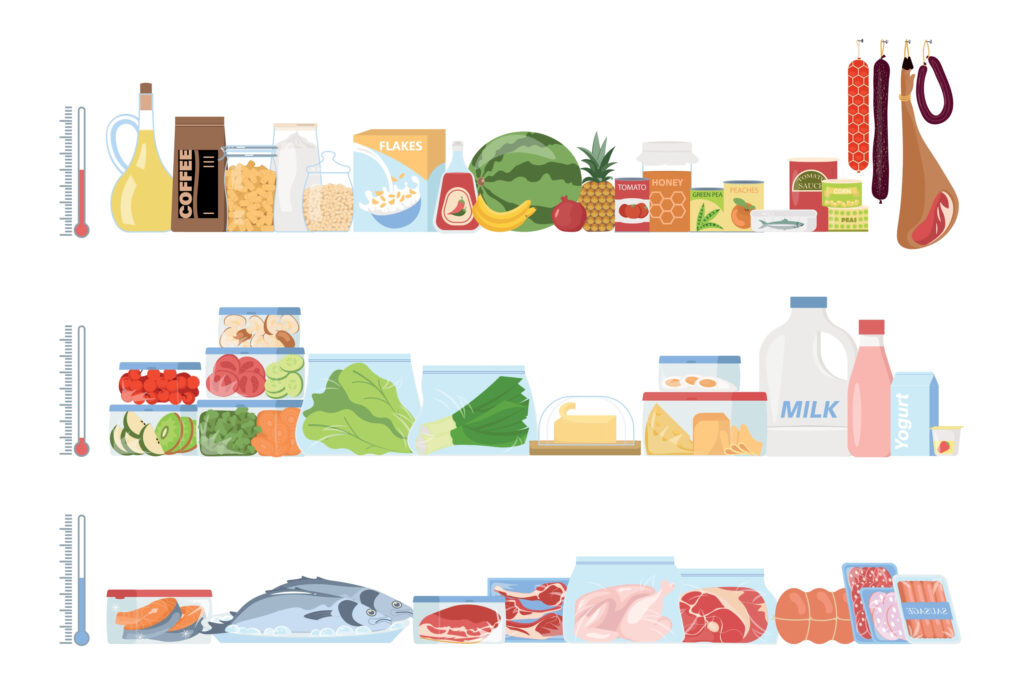
Modern fridges are set up in zones that run different temperatures and humidity levels. Knowing about these zones is key because each food group does its best in a slightly different environment.
- Different zones equal different temperatures. The top shelf is warmer and more consistent, the middle shelves are cooler and stable, while the bottom shelf is coldest. Crisper drawers regulate humidity, while the door compartments fluctuate the most.
- Wrong placement leads to spoiled food or cross-contamination. When raw meat sits above fruits or veggies, any drips can contaminate the produce. Similarly, keeping milk in the fridge door exposes it to frequent temperature swings, which causes it to sour more quickly.
- Energy and cost savings. When you put groceries in their right spots, they stay fresh longer. That means fewer grocery runs and your fridge isn’t working overtime. With better airflow inside, the compressor can also chill out.
How to Store Meat in the Fridge Safely
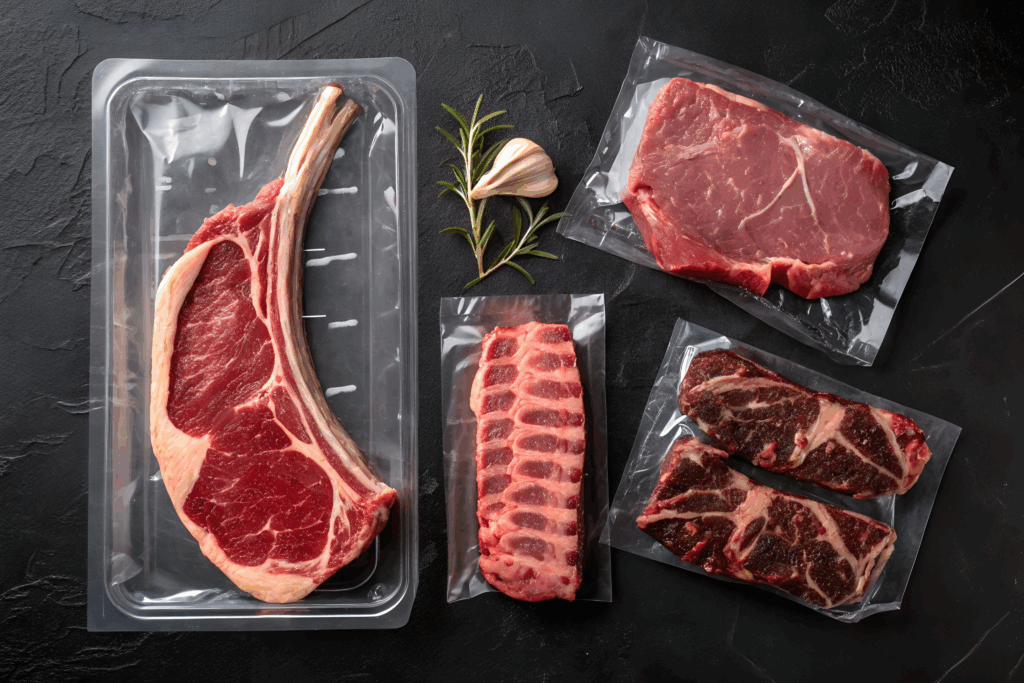
Meat requires more care than most foods. If you place it wrong, it can spoil in hours and also cause cross-contamination that spreads harmful bacteria.
- Use the bottom shelf for raw meat. Always put raw meat, poultry, or seafood on the fridge’s lowest shelf. This cuts the risk of juices dripping down and contaminating foods on shelves below. Many fridges even have a designated meat drawer, which is a perfect spot for these items.
- Store in sealed bins or trays. The packaging that meat comes in from the store often isn’t strong enough. Move the meat to airtight containers or leak-proof trays. Using a vacuum sealer, such as the Precision Vacuum Machine, Pro Food Sealer, is also an ideal tool for storing meat products. Clear containers labeled for meat storage, which you can find on Amazon, work great and keep raw proteins from touching other items.
- Ideal temperature: 32–36°F. Meat lasts longest when kept a little above freezing. Most fridges are set to 37–40°F, but the bottom shelf is usually cooler, so it’s the best spot. Popping a thermometer on the bottom shelf can confirm the temperature stays safe for meat.
- Label and track freshness. Mark the date you bought the meat and the suggested use-by date. Poultry and ground meat are best within 1–2 days; steaks and roasts should be cooked within 3–5 days. If you can’t use it that soon, freezing it is the best choice.
Best Practices for Storing Dairy in the Fridge
Dairy products are highly perishable and require stable, cold storage to maintain freshness.
- Put milk and yogurt in the middle shelves, not the door. That door spot is the warmest place in the fridge whenever you open it. In the middle, the air is steady and cold. The same thing goes for kefir and buttermilk; they’ll stay fresher there, too.
- Hard cheeses like cheddar and parmesan like to breathe. Wrap them in wax paper, then slide them into a resealable bag or a loose container. For soft cheeses like mozzarella and brie, keep them in their original packaging until you open them. After that, pop them in a tight, airtight container. And never store cheese in the door; the constant opening and closing messes with the temperature, and that’s how mold loves to join the party.
- Clear bins or airtight containers are excellent for grouping dairy together. There are stackable bins on Amazon for your “dairy zone.” These not only tidy your shelves but also keep sensitive items from picking up odors from strong-smelling foods like onions or fish.
- Sour cream, cream cheese, and heavy cream belong on the middle shelf, where they stay steadily chilly. Butter, on the other hand, has enough fat that it can chill in the fridge door; even with that door swinging open, it stays safe a little longer.
How to Store Produce in the Fridge for Freshness
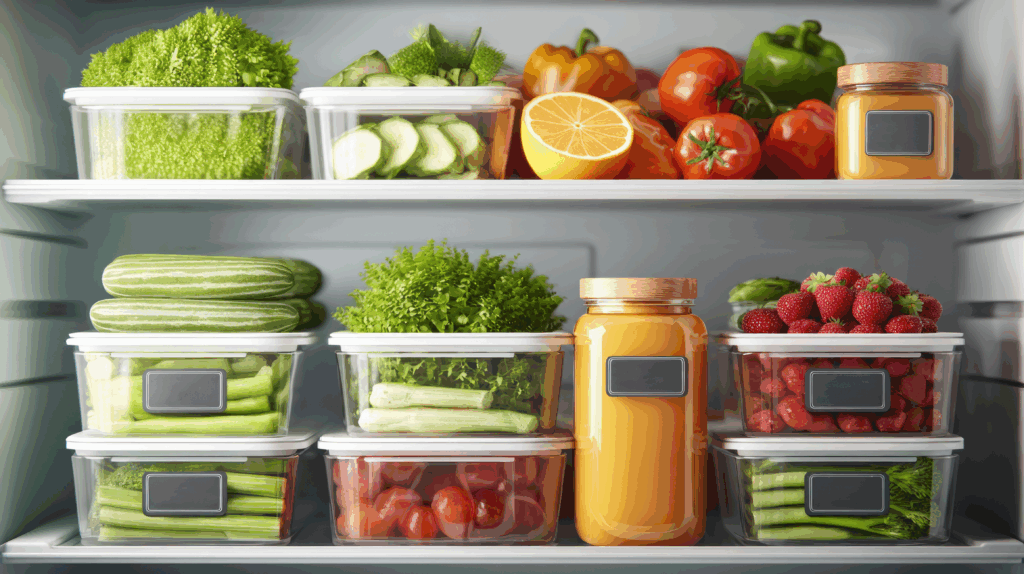
- Use crisper drawers with humidity control. Fridges usually have two separate drawers: one for high humidity, one for low.
- High-humidity drawer: Load this with leafy greens, broccoli, carrots, and cucumbers. Moisture slows wilting and keeps them crisper.
- Low-humidity drawer: Fill this with apples, grapes, and pears. A dryer space helps curb mold and keeps items fresh longer.
- Separate ethylene producers. Fruits like apples, avocados, peaches, and bananas give off ethylene, a gas that speeds ripening. Store these apart from ethylene-sensitive veggies like lettuce, spinach, and peppers to keep everything in prime condition.
- Grab special bags and bins that keep produce fresh. Look for green produce bags and vented bins on Amazon. They control airflow and moisture, which is perfect for delicate favorites like berries and herbs that mold quickly.
- Don’t wash until you are ready to eat. Moisture from washing before storing makes veggies spoil faster. Rinse fruits and veggies right before you eat or cook them. Leafy greens are an exception: wash them, dry thoroughly, then stow in a container lined with paper towels for extra crispness.
Tools & Containers to Store Meat, Dairy & Produce
Even if you know the correct zones for each food type, keep the fridge organized to stop food waste. Investing in simple fridge tools can make a big difference.
- Clear fridge bins. Grab a few clear bins to corral lookalike items and assign each a group: drinks in one, cheeses in another, sauces in a third, and snacks in a fourth. You can grab what you need without letting the door stand open while you search, and you can always see when a group is running low.
- Labeling systems. A simple labeling system helps track freshness. Dry-erase labels or reusable stickers let you write the dates items were bought or the “use by” deadline. This prevents forgotten leftovers from being wasted.
- Stackable containers. If you need to group like items further, a set of clear, stackable bins can help. Look for ones with airtight lids to prevent carryover odors and keep fruit, cut veggies, or single meals fresh and tidy. They also help keep raw and cooked foods apart, minimizing the risk of cross-contamination.
Pro Tips to Store Meat, Dairy & Produce Longer
- Practice First In, First Out (FIFO). When you bring home groceries, put the newer stuff behind the older items. This way, the oldest food is always the first to get used, so leftovers don’t get pushed way too far back and go bad. You’ll waste less and minimize spoilage.
- Set the fridge to the sweet spot: 37°F to 40°F. This temperature is cold enough to slow down bacteria, without freezing the greens you just bought. Pick up a fridge thermometer for peace of mind; dials can lie.
- Do not overstuff shelves. Packed shelves stop air from circulating, which can turn some spots into “warm zones” where food spoils faster. Give each container a bit of breathing room to keep things cool and fresh.
- Speed up the cooling of leftovers. Use shallow, airtight containers to spread the food out as thin as possible. Less volume means it cools faster, and the tight lid keeps bacteria from getting a head start.
- Clean, and clean again. Wipe up sticky spots as they happen and give the entire fridge a good scrub at least monthly. A squeaky-clean fridge means less odor, fewer germs, and food that lasts a bit longer.
FAQs: How to Store Meat, Dairy & Produce in the Fridge
Can I store meat in the door compartment?
Nope. That part of the fridge is the warmest, which makes it risky for raw meat or seafood. Always tuck meat on the bottom shelf or in a special drawer.
How long does produce last in a crisper drawer?
Most veggies will keep for about one to two weeks in a high-humidity drawer. In a low-humidity drawer, apples and pears can last up to three or four weeks. Keep in mind that the freshness of the produce when you bought it matters, too.
What’s the best fridge temp setting?
Set your fridge to 37 to 40°F (3 to 4°C) and your freezer to 0°F (-18°C). This temperature range keeps chances of spoilage low and taste high!
Can dairy products be frozen?
Some dairy products can be stored in the freezer, but their texture might change. Hard cheeses freeze nicely, while milk and yogurt can separate. If you choose to freeze them, plan to use them in cooking instead of enjoying them plain.
Final Thoughts on Storing Meat, Dairy & Produce
Your fridge has special areas for a good reason. Each spot provides different foods with the right conditions, allowing them to stay fresh longer. By knowing where to put meat, dairy, and produce, you cut waste, save money, and keep everyone safer from germs. Storing food right is just the start. Use bins, labels, and stackable containers to keep the fridge tidy. Pair this with rotating older items to the front and checking the temp monthly, and you maximize freshness.
Rearranging is easy and makes a difference. Grab a few bins and a pack of labels this week, and put the tips to work. Your fridge will run better, and your food will thank you.