
There is nothing quite like homemade pizza. You roll out the dough, spread the sauce how you like it, and then comes the part everyone has been waiting for, the cheese. The best cheeses for homemade pizza are what make pizza seductive. The way it melts into the sauce, stretches when you pull a slice away from the pizza, and barely darkens enough around the edges, yields that excellent balance of texture and taste.
But here is the truth: not all cheese works the same way when it comes out of a hot oven. Some cheeses melt beautifully but have a mild taste, while others have a bold taste but do not stretch. One can tell the difference between a flat pizza and a pizza from a pizzeria by the choice of cheese, the right combination of flavor, and how it is blended into the pizza. What are the best air fryers for pizza? Check out our list here.
This post contains affiliate links, which means we may receive a commission at no cost to you. As an Amazon Associate, I earn from qualifying purchases.
Grocery List: Top Cheeses Every Pizza Lover Should Try
Mozzarella: The Classic Pizza Cheese
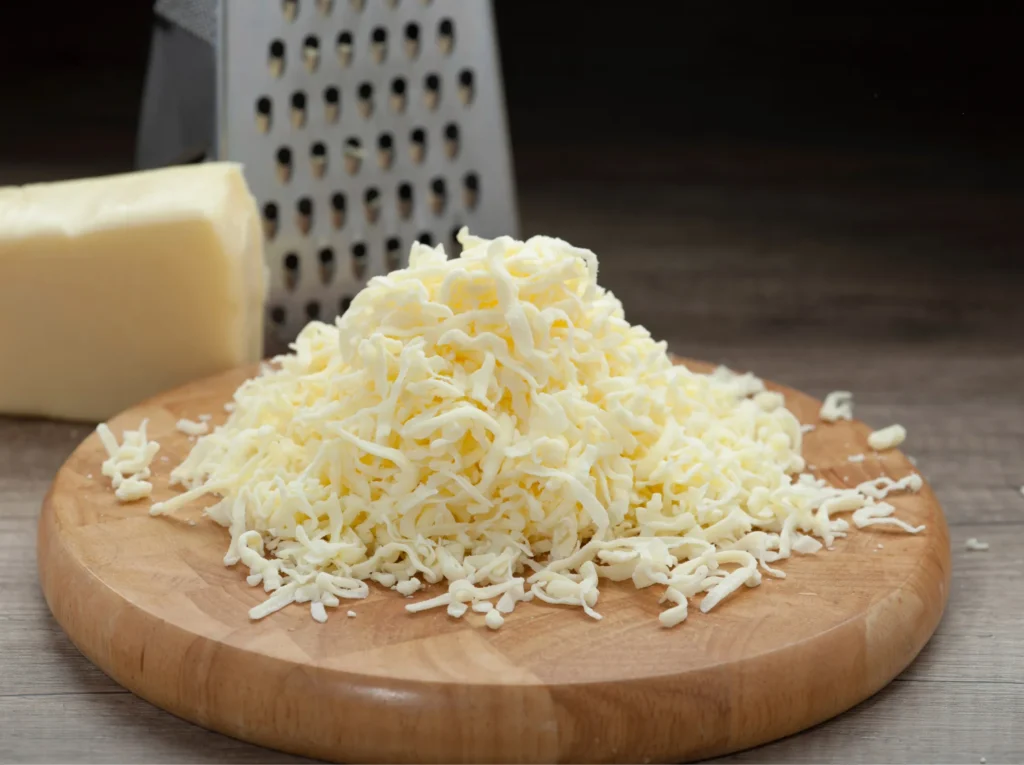
Mozzarella is the classic for a reason. It melts into that creamy blanket we all expect, and has just enough stretch to give you that iconic pull when you slice into the pizza. Low-moisture mozzarella, typically found in a block or shredded in a bag, is what most American pizzerias use. It melts evenly, browns well, and most importantly, does not add excess moisture.
Cheddar: Sharpness and Depth of Flavor
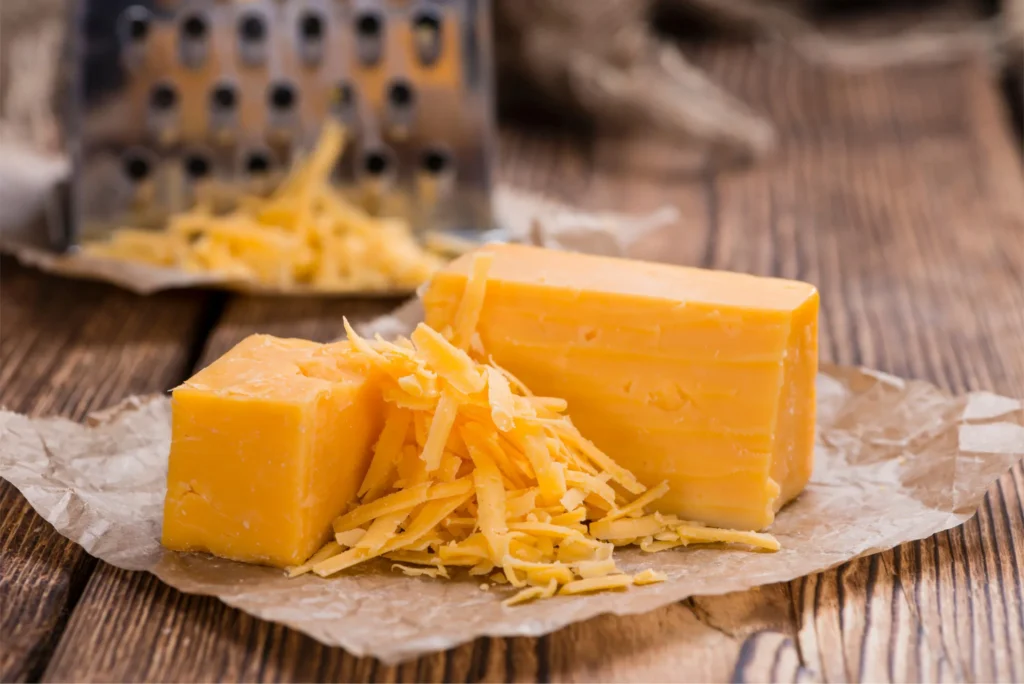
Where mozzarella is gentle, cheddar is bold. It brings a sharp, tangy flavor that cuts through the sweetness of the tomato sauce and savory toppings. Cheddar doesn’t stretch much on its own, but when you mix it with mozzarella, you get the best of flavor and texture.
Provolone: Tangy, Stretchy Goodness
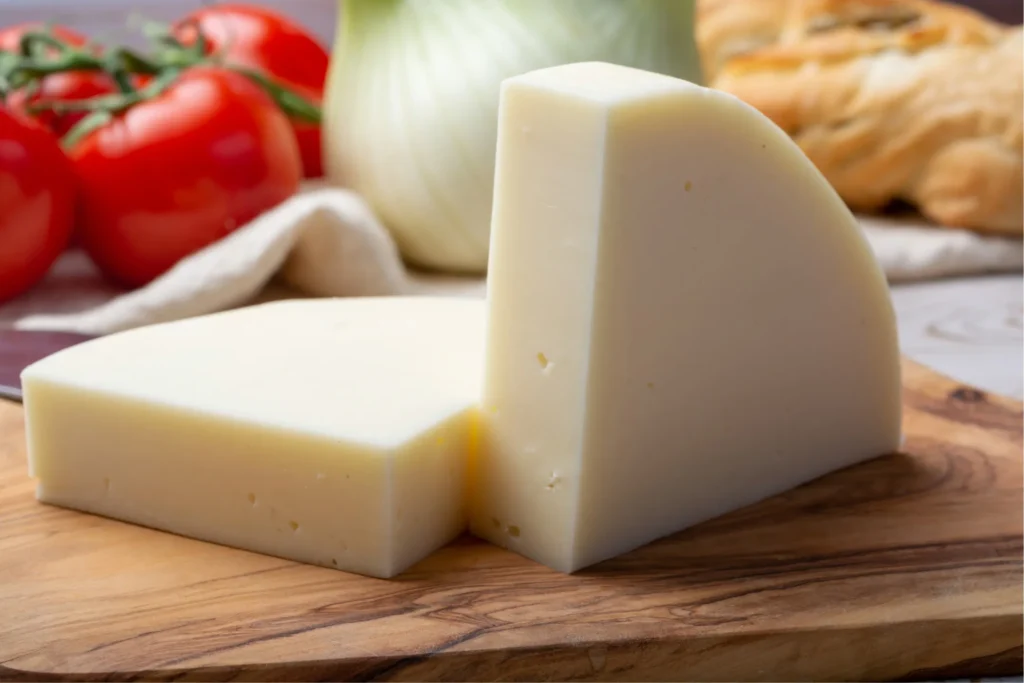
Provolone is the hidden piece that enhances the taste of pizza. It melts like butter and has a more tangy taste than mozzarella. It is often mixed with other cheeses. Many pizzerias pair provolone with mozzarella for the sweetness and sharp flavor. On a white pizza or a meat-heavy pie, however, provolone is the star player.
Parmesan: The Perfect Flavor Booster
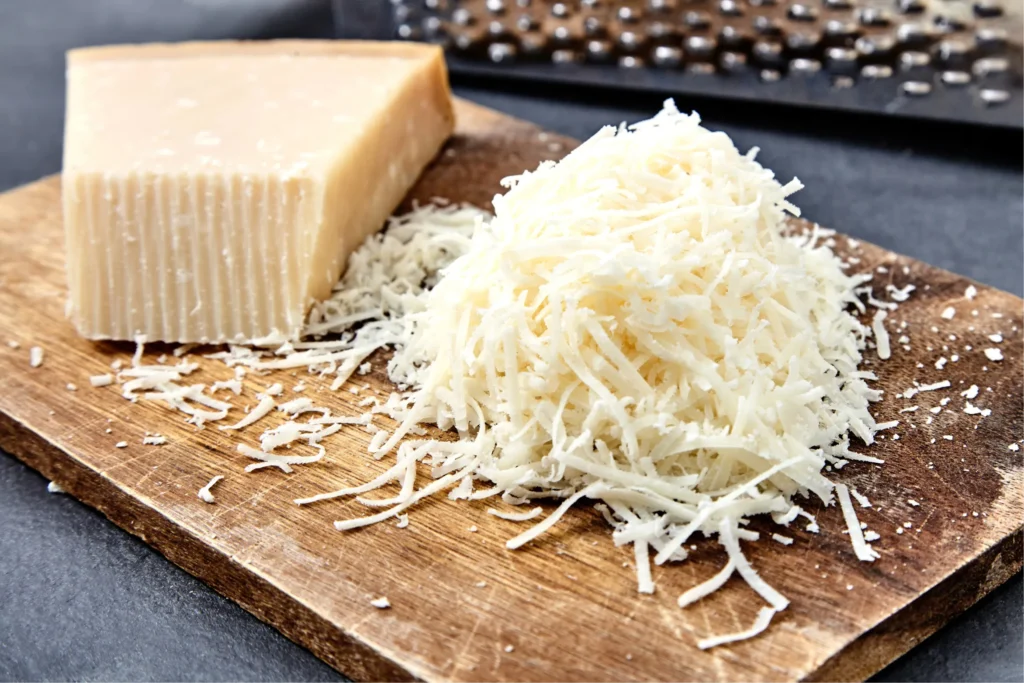
Parmesan is the underdog of cheeses. It is often the last cheese to be poured on a pizza. It is also the most dominating cheese on top of a pizza, adding a nutty, salty depth to the pizza. Parmesan is often the finisher of a Margherita or a thick Chicago pie. Its taste is not like the other gooey cheeses, but it stays for a long time after the slice is devoured.
Gouda: Creamy, Smoky Richness
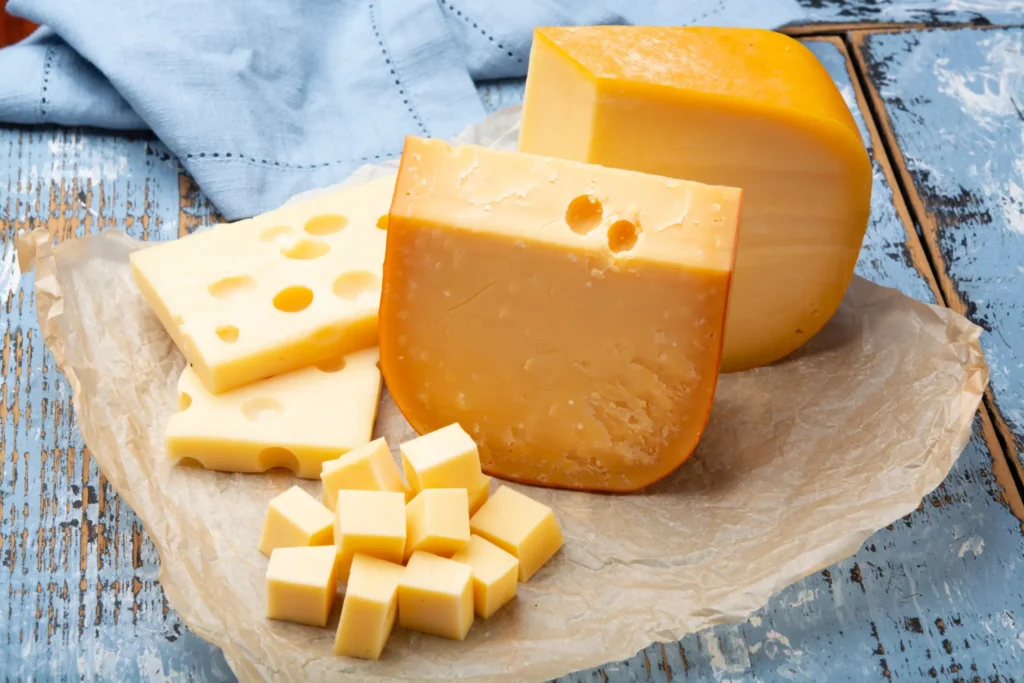
If you are looking for something that is not traditional, Gouda is the perfect cheese. Bite into the mild Gouda and experience the buttery, creamy, melting sensation. The smoky Gouda enhances the Gouda even more and is ideal for barbecue pizza. It is not something you can dunk into with the other cheeses. When paired with the right ingredients, such as roasted vegetables or pulled pork, it introduces a whole new flavor.
Fontina: Buttery and Smooth
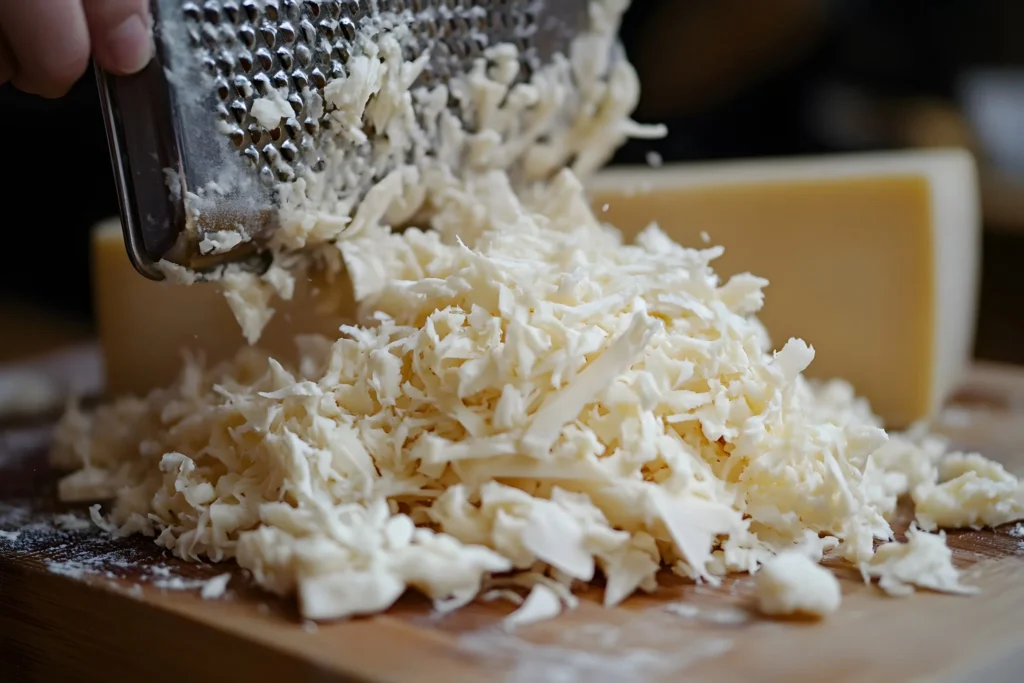
Fontina is not one of the highly regarded cheeses. Still, once you eat it on pizza, you appreciate its delicious essence. It transforms into a smooth, buttery, silky texture, with just the slightest hint of vintage. Fontina paired with mushrooms, spinach, or truffle oil is a perfect combination. It doesn’t steal the show, but it provides polish to a home-cooked pizza.
Ricotta: Creamy Dollops for White Pizza
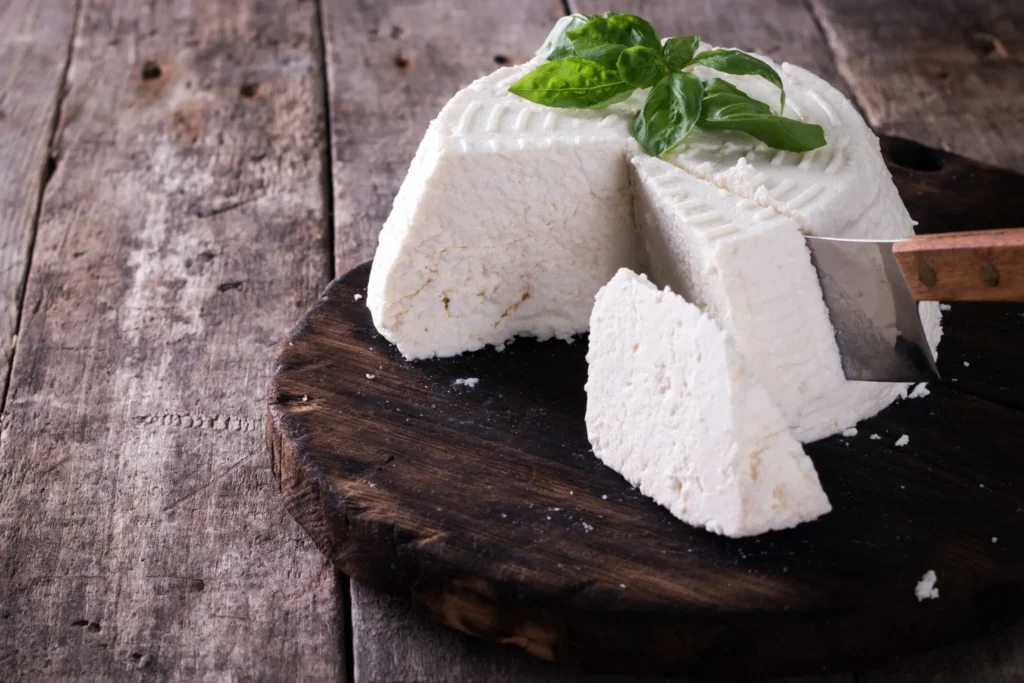
Ricotta does not cover a pizza slice the way mozzarella does. Instead, dollops of it rest on top as little blobs of creaminess. On a white pizza, the ricotta, enhanced with garlic and olive oil, is to die for. It also acts as a counterbalance to stronger toppings like arugula or broccoli rabe. It is so rich but not oily, and its richness makes each bite feel so good.
Blue Cheese: Bold Flavor for Gourmet Pizza
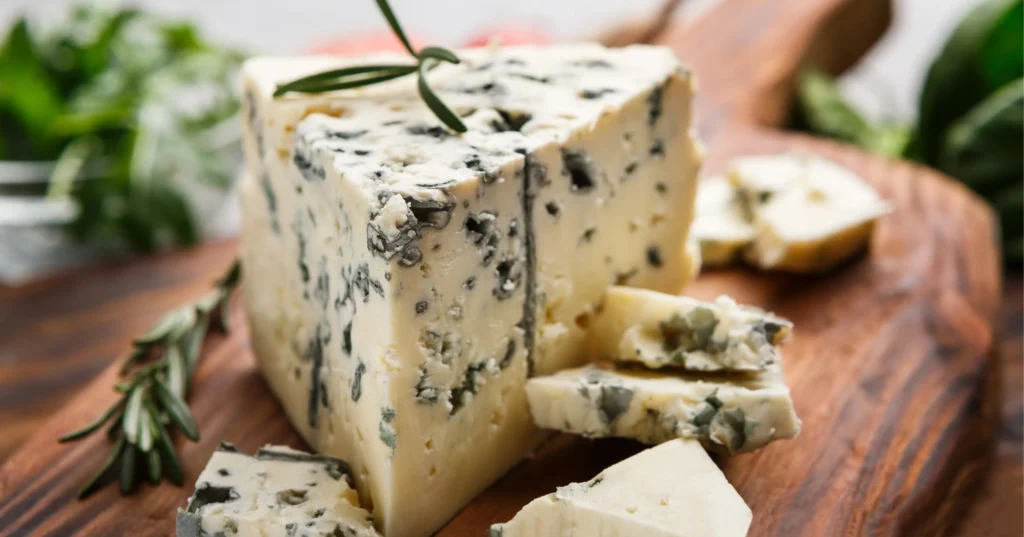
Blue Cheese is one of the most controversial cheeses when eating. It is the most polarizing cheese, meaning that either you will love it or dislike it, and blue cheese helps elevate your pizza to a different level. Blue Cheese melts moderately, allowing it to top the pizza with an intense, tangy flavor. It is in abundance, which allows it to combine with the sweeter toppings like figs or pears, while battling spicy ingredients like buffalo chicken concurrently. The cheese is highly spaced and not subtle, which adds daring and unforgettable pizza.
Why Cheese Blends Are the Secret to Great Pizza
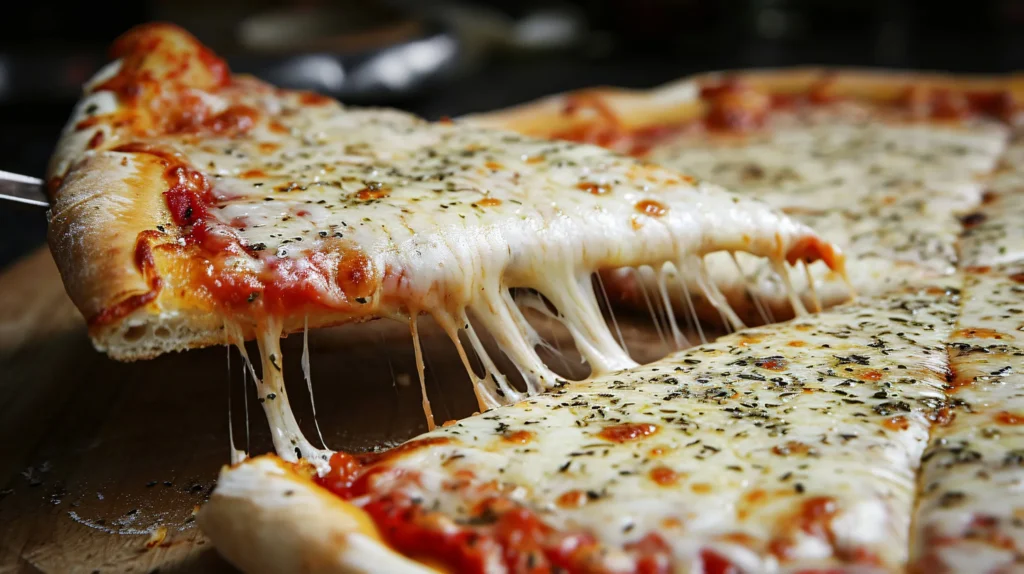
A single cheese hardly meets all your expectations on a pizza. That is probably the reason most pizzerias use blends. While mozzarella lays the foundation, provolone or cheddar adds sharpness, Parmesan provides umami depth, and cheeses like Gouda or Fontina add richness. Blends are the whole point of the fun, and at home, that is how you get to use them. Start with a base of mozzarella and add smaller proportions of the other cheeses, and evaluate how the flavor and texture change.
Best Cheeses by Pizza Style
In this case, the pizza style determines the cheese that is to be used. Almost all Neapolitan pizzas use fresh mozzarella and finish them off with a sprinkle of Parmesan. If you are to make New York slices, you will use low-moisture mozzarella, and mixing it with provolone is the norm. Generous layers of mozzarella dripping with sharper cheeses, smothered in, are the Chicago pies, deep dish. If you are to make white pizzas, you will use them and more, like blue cheese.
A cheese is more than just a melting block. In this case, it is about the narrative you want to create with each slice.
Tips for Melting and Blending Pizza Cheese at Home
- Considerations such as shredding your own cheese, as opposed to buying a pre-shredded pack, will have a more favorable result in the meltability of the cheese.
- Fresh mozzarella is supposed to be drained and dried with a cloth before putting it into the oven.
- “More cheese makes a better pizza” is not true. More cheese will weigh the crust down and make the entire pizza greasy.
Final Thoughts: Choosing the Best Cheeses for Homemade Pizza
Unlike what many may think, the best cheese to use for a homemade pizza depends entirely on what the customer wants. Supporting cheeses give flavor and texture to a pizza. The great thing about making pizza from the comfort of your house is that it allows for endless experimentation. Mixing and switching the ratios of supporting cheeses will showcase unique results. This is how, over time, everyone finds their ultimate pizzeria blend.