
A properly made cake should feel soft and airy and have a pleasant crumb that “melts” in the mouth. Many home bakers, however, face the issue of the cake coming out dry, dense, or uneven. Achieving proper moisture, consistent fluffiness, and the right height all come from using the right techniques and accurate measurements, as well as appropriate storage and handling of the cake. The following steps, if followed correctly, will always result in a moist and fluffy cake.
Room-Temperature Ingredients for a Moist and Fluffy Cake
The easiest and overlooked technique in cake baking is the use of room-temperature ingredients. Milk, eggs, and even butter are easier to blend when at room temperature, resulting in a smoother batter. Even better, room temperature butter creams easily with sugar, which helps the cake rise better. It is advisable to let the ingredients sit out for around thirty to forty-five minutes before the baking begins.
Accurate Measurements: Key to a Moist and Fluffy Cake
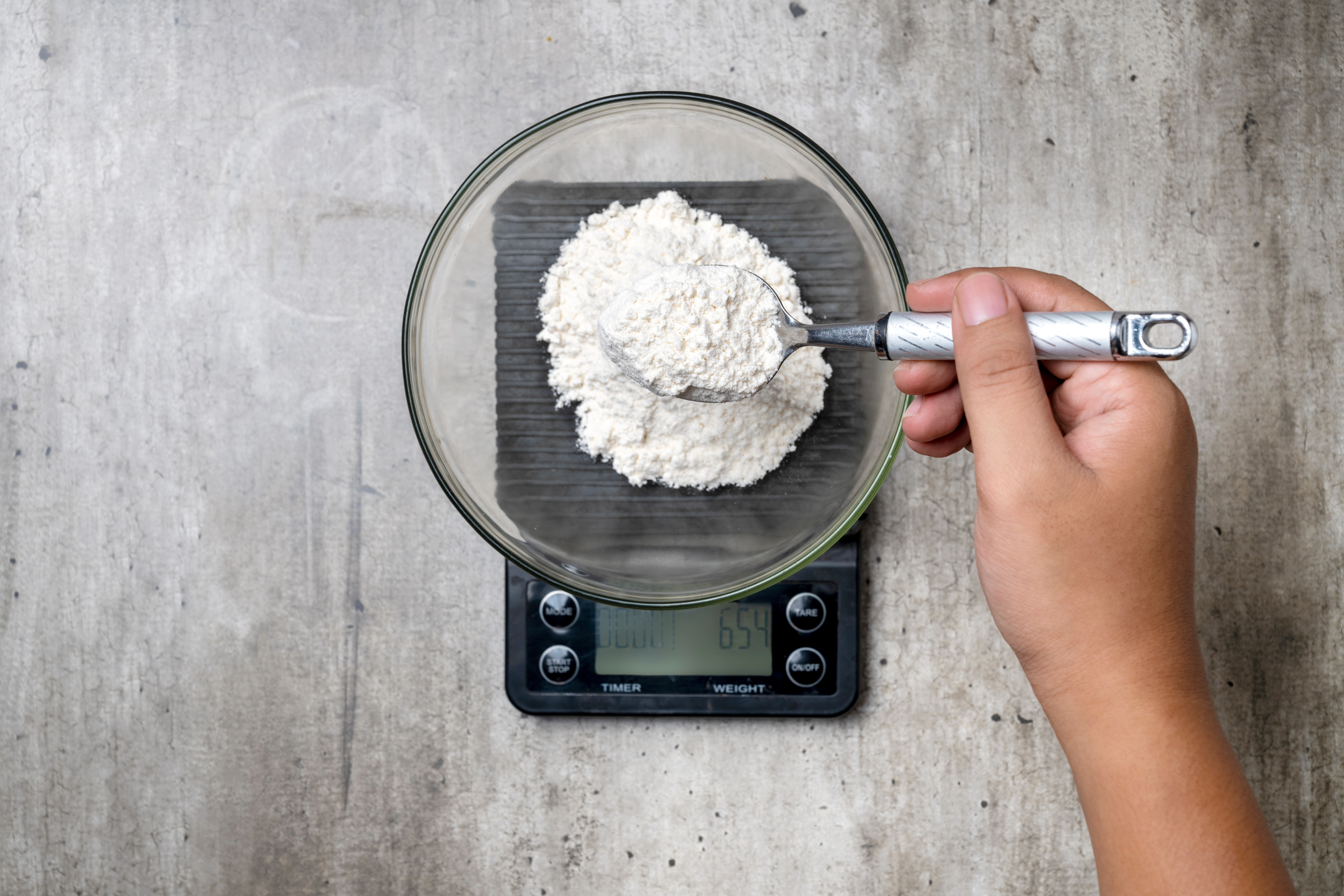
To bake means to follow recipes to the letter, which is, for science, a good reason. Adding too much flour will dry the cake, or adding too much sugar will make a heavy cake unto itself. For dry ingredients, measuring cups should be used and leveled with a knife. For liquids, a clear measuring jug placed on a flat surface will ensure accuracy. Best yet is a kitchen scale, which removes all guesswork for both dry and wet ingredients.
Fats and Oils: The Secret to a Moist Cake Texture
To a cake, fats like vegetable oil, butter, sour cream, yogurt, and buttermilk tend to soften and moisturize. Vegetable oil, especially, does a good job of retaining moisture several days after a cake is baked. For cakes intended to be stored for longer, consider substituting oil for a portion of butter, as this will help in retaining moisture.
Why Buttermilk Creates a Moist and Fluffy Cake
Buttermilk is useful in providing moisture and also provides acidity that reacts with baking soda to create a light texture. If buttermilk is not available, you can make a substitute by adding one tablespoon of lemon juice or vinegar to one cup of milk, which should be left to sit for five minutes before use.
Creaming Butter and Sugar for the Fluffiest Cake
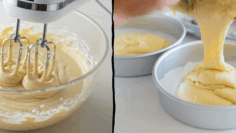
Proper creaming is essential for incorporating air into the batter. Cream butter and sugar on medium speed for 3 to 5 minutes until the mixture is pale and fluffy. The aeration helps the cake rise well in the oven. A denser cake may be the result of inadequate creaming.
Mixing Techniques for a Moist and Tender Cake
Mix until the dry ingredients are incorporated into the batter. Overmixing, in this case, is counterproductive, as it activates gluten development. The cake will be tough, whereas it should be tender. Add-ins like chocolate chips or fruits should be gently folded in with a spatula.
Ideal Baking Temperatures for a Moist and Fluffy Cake
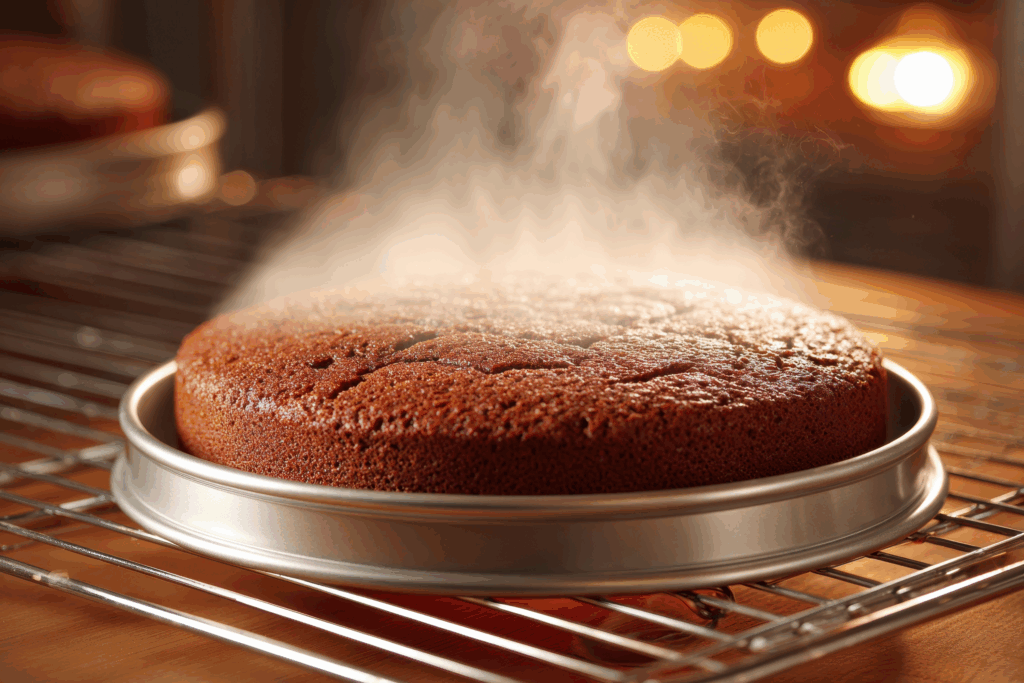
An evenly cooked or well-risen cake depends on the temperature of the oven. Most cake recipes will need 325–350°F (160–175°C). Do not open the oven door frequently, and remember to preheat your oven for the full duration before baking. Otherwise, the cake may sink.
Testing Cakes for Moistness and Perfect Doneness
A common method is to insert a toothpick into the center of the cake. The toothpick should come out with some soft, moist crumbs sticking to it for the cake to be well-moistened. Overbaking will dry the cake quickly.
Syrup Brushing Tips to Keep Cakes Moist Longer
It is a common practice among professional bakers to brush simple syrup (comprised of equal parts of sugar and water heated together until the sugar dissolves) onto the cake once it has slightly cooled. This is particularly beneficial for cakes that are going to be kept or served a day later, since it helps to retain moisture.
Cool and Store Appropriately
Once baked, the cake should be kept in the pan for 10 minutes. After this time, the cake should be moved to a rack to cool completely. This helps ensure the bottom does not become overly moist and retains its structure. After it is cool, frost the cake or wrap it to prevent moisture loss.
Storage Methods for Cakes
Storage is just as important as baking when it comes to a cake’s moisture, especially after it’s baked. Depending on the type of cake and frosting, the methods vary.
Same-Day Serving
If the cake is to be served the same day, then it can just be covered to protect it from air exposure and kept at room temperature.
Buttercream Frosted Cakes
Cakes with buttercream frosting can be kept at room temperature for up to 3 days, in an airtight container or covered with a cake dome.
Cakes with Cream Cheese or Whipped Cream Frosting
Since the frosting on these cakes is perishable, they must be stored in the refrigerator. To prevent the cake from absorbing any odors, keep it in a sealed container.
Freezing for Long-Term Storage
To store unfrosted cakes, each layer should be wrapped with plastic wrap and then aluminum foil. The wrapped layers can then be placed in a freezer-safe bag or container. This way, the unfrosted cakes can be stored for up to three months. To defrost, move the cake to the fridge the night before, then let it sit at room temperature before icing.
For frosted cakes, freeze uncovered for one hour so the frosting can harden. Afterward, wrap the cake in plastic and foil. To serve, unwrap and thaw slowly to avoid condensation ruining the frosting.
Additional Tips for Moist and Fluffy Cakes
- When making a cake, all-purpose flour may result in a dense product. To avoid this, switch to cake flour.
- Cutting down on sugar will result in an inferior product, as sugar helps to retain moisture.
- For chocolate cakes, add a tablespoon of mayonnaise for enhanced softness and richness.
- Do not overbake the cake. Even two extra minutes can impact moisture.
This post contains affiliate links, which means we may receive a commission at no cost to you. As an Amazon Associate, I earn from qualifying purchases.
Recommended Cookware for Baking Cakes
- KitchenAid Stand Mixer – Ideal for creaming butter and sugar thoroughly and mixing batter without overworking it.
- OXO Good Grips Stainless Steel Measuring Cups & Spoons Set – For precise dry and liquid measurements.
- Escali Primo Digital Kitchen Scale – Ensures accurate ingredient weights for consistent results.
- USA Pan Nonstick Round Cake Pans (Set of 2) – Durable, warp-resistant, and nonstick for even baking.
- Wilton Cooling Grid (3-Tier) – Allows air circulation to cool cakes evenly without trapping moisture.
- Airtight Storage Container – Keeps cakes fresh longer and prevents them from drying out.
- OXO Good Grips Angled Measuring Cup – For accurate liquid measurements from above.
- Nordic Ware Bundt Pan – For decorative cake shapes with even heat distribution.
🛒 Grocery List – Moist and Fluffy Cake
Wet Ingredients (Add moisture, richness, and bind the cake)
- Unsalted Butter – adds richness and flavor
- Large Eggs – bind ingredients and add structure
- Whole Milk or Buttermilk – adds moisture and tenderness
- Sour Cream or Plain Yogurt – improves texture and adds tang
- Heavy Cream (if making whipped cream frosting) – adds richness
- Vegetable Oil – keeps cake moist
- Mayonnaise (optional, for chocolate cake moisture boost) – adds extra moisture and softness.
- Vanilla Extract – flavor enhancement
- Lemon Juice or Vinegar – acid to react with leaveners for lift
Dry Ingredients (Provide structure, sweetness, and flavor)
- Cake Flour – light, tender crumb
- Granulated Sugar – sweetness and moisture retention
- Brown Sugar – deeper flavor and added moisture
- Baking Powder – a leavening agent for lift
- Baking Soda – a leavening agent, works with acids
- Cocoa Powder (for chocolate cakes) – flavor and color
- Confectioners’ Sugar – for frosting or dusting
- Chocolate Chips or Baking Chocolate – mix-ins or garnish
Optional / Decorative Ingredients (Finish and style your cake)
- Cream Cheese (for cream cheese frosting)
- Food Coloring Gel – for decorative effect
- Fresh Fruits – garnish
Final Thoughts
The steps, techniques, and storage practices all impact the level of moisture and texture in the cake. Room temperature ingredients, measured ingredients, and proper cooling all contribute to the results. If you follow the outline provided, you will be able to bake cakes that are creamy, rich, and taste amazing, and can be enjoyed long after slicing. They are truly works of art that are a feast for the eyes and the taste buds.