
Have you ever found yourself at the grocery store staring blankly at the meat section? On one side are bright red, fresh steaks; on the other, frozen bricks in tidy rows. Which one should you grab? Fresh vs Frozen meat seems simple, but getting quality, flavor, and value just right can be tricky. The good news? You can get it right every time with the correct info.
The real deal is that both fresh and frozen meat are useful in the kitchen. What matters is knowing the perks of each, when to reach for one over the other, and how to store them once you get home. With this guide, we’re going to make your grocery shopping a lot easier!
What “Fresh” Meat Means
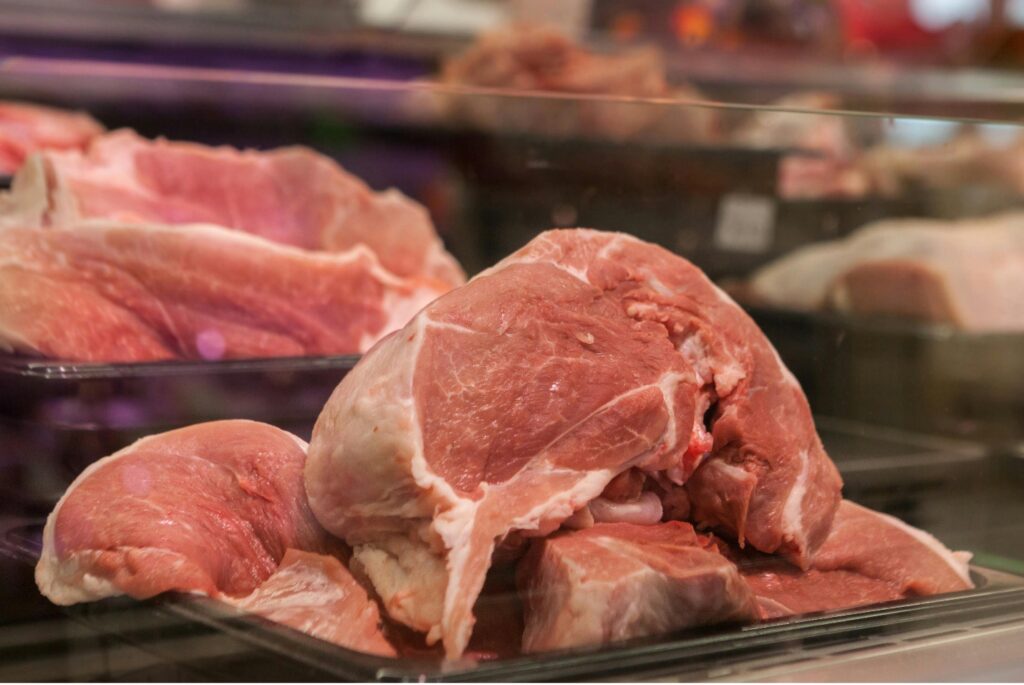
“Fresh meat” refers to meat that has never been frozen. It’s kept chill, usually between 32°F and 40°F, and you’ll find it in clear plastic trays or wrapped in butcher paper. When it’s labeled “fresh” at the store, it doesn’t always mean it was cut just hours ago; the meat might have been processed, packaged, and shipped several days earlier.
Fresh meat is a solid choice if you plan to cook it within a day or two after buying. It tends to look brighter in color, and the texture can feel a little more tender compared to meat that’s been frozen and thawed. Still, just because meat is sold as fresh doesn’t automatically mean it’s top quality. The length of time it spends in transit, how it’s handled, and whether it’s kept at the proper cool temperature all play a significant role in safety and its longevity.
What is the downside of buying fresh meat?
Fresh meat doesn’t stay fresh for long. You usually need to cook it within a day or two of buying it, especially if it’s poultry or ground meat. If cooking it within a day or two isn’t an option, you might end up wasting it or having to rush to the freezer.
How Frozen Meat Stacks Up in the Fresh vs Frozen Debate
Frozen meat is often underrated. Many folks think it’s cheap or that the taste isn’t great. In reality, if it’s been frozen correctly and hasn’t been in your freezer for too long, it can taste just as good as fresh.
Most suppliers freeze meat within a few hours of processing using a method called flash-freezing. This process locks in texture, flavor, and nutrients almost perfectly. If the meat is vacuum-sealed and kept at a steady, low temperature, it can stay good for months with virtually no decline in quality.
Frozen meat works great for anyone who likes to plan ahead or stock up during sales. You can buy in bulk, freeze anything you won’t use right away, and always have a meal ready for those busy nights when shopping feels impossible. When you thaw it the right way, the taste and texture are usually indistinguishable from fresh, especially in marinated, braised, or slow-cooked recipes.
That said, not all frozen meat is the same. Some cuts are treated with salt, broth, or other solutions, which can add flavor and extra moisture. This isn’t a problem for everyone, but if you want pure meat, it’s a good idea to check the label for those extra ingredients.
Fresh vs Frozen Meat: How to Check for Quality
Here’s how to spot good fresh meat when you’re shopping:
- Color: Beef should have a bright red look (it will be more purplish if in a vacuum-sealed pack). Poultry should be a pink shade with no dull, gray tint. Pork should also be a light pink. Any uneven color could mean it’s spoiled or wasn’t handled right.
- Texture: The meat should feel firm, with no slimy slickness. If you gently push it, it should bounce back quickly.
- Smell: Fresh meat has a mild, clean scent. If you catch a sour or strong odor, it’s better to pass.
- Packaging: Skip any pack with lots of liquid inside or swollen plastic, since these usually mean the meat is aging or starting to go bad.
How to Choose Quality Frozen Meat
When you’re picking frozen meat, pay attention to:
- Choose products with solid, airtight packaging. Vacuum-sealed packs work best because they stop freezer burn and moisture loss.
- Freezer burn. Look for white or gray dry patches. These spots won’t harm you, but they can change how the meat tastes and feels.
- Some frozen meats come injected with saline, broth, or flavor solutions. This isn’t unhealthy, but it can change the flavor, and you end up paying for extra liquid.
- Brands that list freezing dates and the source of the meat tend to offer better quality and trust.
Fresh vs Frozen Meat: What Works Best for You?
Deciding between fresh and frozen meat is about your needs, not about one being superior. Here are the signals for each option.
Pick fresh when you:
- Plan to cook within the next one to two days.
- Want premium cuts, like steak or pork chops, where the flavor and chew matter.
- Feel confident that the store has good turnover and careful handling.
Choose frozen when you:
- Want to buy in bulk and cut down grocery runs.
- Batch cook or prep meals for the week.
- Need meat to stay good for weeks or months.
Often, a properly thawed frozen cut is almost identical to fresh, especially in stews, soups, stir-fries, or when marinated.
How to Store Fresh vs Frozen Meat at Home
As soon as you bring fresh meat home, you need to pay attention to timing. Store it in the coldest part of your refrigerator, which is usually the bottom shelf at the back. That keeps the meat out of the danger zone, where bacteria can multiply.
The original packaging, those foam trays with loose plastic, wasn’t meant for the long haul. If you’re not cooking right away, take the meat out and wrap it snugly in plastic wrap. An airtight container works, too, to keep the cold in and the germs out.
Sometimes dinner plans don’t go as expected. If you realize you can’t cook the meat soon, freezing it is the right choice. The sooner you freeze it, the better it tastes when you defrost it later. Waiting until the expiration date is a gamble you don’t want to take.
Freezing the Right Way
To keep meat at its best in the freezer, you need the right wrap. The thin plastic from the store is okay for a few weeks, but it lets air in. For long-term storage, switch to heavy-duty freezer bags. Vacuum sealing is even better, as it removes all the air and locks in flavor, color, and texture.
Best Storage Tips for Fresh vs Frozen Meat
Label each bag with the date and the contents. It may seem basic, but those blank bags always turn into mystery chunks two months later. Lay items flat so they freeze quickly and evenly, and remember: don’t cram the freezer full. Cold air needs space to move around.
Meat timing is essential. Ground meat and poultry stay best for three to four months. Steaks, chops, and roasts usually hold quality for six to twelve months. Choose lean fish for up to six months and oily fish for three months. The richer the fish, the shorter the time.
Thaw Safely, Keep Quality
Thawing meat the right way keeps it juicy. The fridge method is safest, even though it takes time. Simply move the meat from the freezer to the fridge and let it gradually cool down instead of warming it up.
If you’re pressed for time. Seal the meat in a bag and dunk it in a bowl of cold water. Change the water every half hour. This trick works best for smaller cuts like chicken breasts or pork chops.
Don’t leave meat sitting on the counter for more than a couple of hours. The outer layer can warm up quickly, creating the perfect environment for bacteria to grow. Microwave thawing is okay if you’re in a hurry, but it often cooks the edges before the center is thawed. That’s a problem, especially for tender cuts like chicken breasts, because the uneven heat can change the texture.
After the meat is thawed, cook it within a day or two. If the meat thawed in the fridge and has been there less than a day, you can refreeze it. But don’t let a thawed cut go back in the freezer if it sat on the counter.
Final Thought
So, which is better: fresh or frozen meat? The answer is both, depending on your needs. Fresh meat is perfect for same-day meals, delivers the best texture, and works when you want the flavor of the meat to stand out. Frozen, however, is perfect for meal prep, cuts down on waste, and can save you cash when you buy in bulk.
The real secret is how you pick, store, and thaw it. A smart kitchen keeps a little of both. Stock the freezer with go-to cuts for busy weeknights, and grab fresh pieces when you can make an immediate meal. Balance is the name of the game.
The next time you stroll down the meat aisle, you’ll be ready to pick the perfect cut, spot top quality, and cook it like a pro. When you walk in knowing your stuff, it not only makes cooking easier, but it also makes sharing meals that much happier.