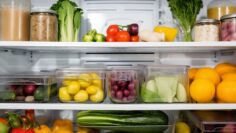

Fresh ingredients are one of the most crucial components of a well-stocked, healthy pantry. Flavor, nutrition, texture, and vitality are all contributed to every meal with fresh ingredients. Nevertheless, as central as they are, fresh vegetables and fruits always turn out to be the very first to go bad in your kitchen refrigerator. Mushy spinach, rotten berries, or trashed zucchini stuck at the crisper’s floor – spoiled ingredients are not just disappointing but also expensive. That’s why it’s essential to understand how to store fresh produce properly.
Produce needs to be stored under special temperature, humidity, and air-circulating conditions. Knowing these can make all the difference in how long your vegetables and fruits will last.
Why Temperature and Humidity Matter When You Store Fresh Produce
Temperature and moisture together play a pivotal role in how long fresh produce stays edible and nutritious. After harvest, produce continues to breathe, releasing moisture and ethylene gas, which accelerates ripening and spoilage. Good storage conditions curb those activities and preserve quality.
Temperature controls respiration rate. Higher temperatures speed up respiration, ripening, and the breakdown of plant tissues. Cooler surroundings slow everything down, but every crop has its ideal range. Cucumbers, zucchini, and eggplant can suffer from chilling injury if stored at temperatures below 50°F, resulting in pitted, waterlogged flesh. Leafy greens, on the other hand, thrive in cold, crisp refrigeration at 35 to 38°F, where they can remain crunchy without developing mold.
Humidity must also be balanced. Humidity also has to be managed. High relative humidity (typically 90–95 percent) is best for minimizing water loss in products such as leafy greens, preventing wilting and shriveling. However, trapped condensation promotes bacterial growth and mold.
Temperature and humidity together guide the respiration rate of produce, shield it from chilling injury and dehydration, and limit fungal and bacterial spoilage. Understanding how each produce type responds to temperature and humidity allows you to tailor storage conditions accordingly: high humidity and cold for greens, and cool but slightly drier environments for ethylene-producing fruits. This way, the produce stays fresher, tastier, and has a longer shelf life.
How Ethylene Gas Affects How You Store Fresh Produce
Ethylene is a natural, colorless gas that most fruits, such as bananas, apples, tomatoes, and avocados, emit as they ripen. It hastens starch breakdown to sugars, loosens cells, and initiates the ripening of nearby produce as well. Ethylene at moderate levels is non-toxic, but at higher levels, the shelf life of other produce around it is also affected.
Climacteric fruits continue to produce ethylene after harvest, triggering a rapid ripening process. If you don’t control the temperature and moisture, they can spoil quickly. Leafy greens, cucumbers, broccoli, and carrots are especially sensitive. They can turn yellow, wilt, or lose sweetness faster than desired when exposed to ethylene drifting from another carton.
Practical storage starts with understanding the science behind freshness. Fruits that emit a lot of ethylene gas, such as apples and bananas, should be kept away from vegetables that cannot tolerate this gas, including leafy greens and herbs. Use separate drawers or bins to avoid gas drift. You can also add ethylene absorbers, potassium permanganate packets, or activated carbon filters to soak up the extra gas and help your produce last longer.
Ethylene is natural, but too much of it turns freshness into a countdown timer. Ethylene management through separation and selective absorption helps significantly to maintain both the quality and shelf life of fresh produce intact.
How to Store Fresh Produce That Spoils Quickly
Berries, mushrooms, cucumbers, and fresh herbs require special attention because they can spoil quickly. Here’s how to make them last longer right in your kitchen.
Berries
Berries, such as strawberries, raspberries, and blueberries, are particularly sensitive. Store them in their original containers until you’re ready to eat so they stay dry. If you must wash them, use a quick soak in a vinegar and water mix, rinse gently, and then dry them thoroughly. Keep them in a shallow bowl lined with paper towels for airflow, or use a berry keeper that has a colander insert and adjustable vents for the best results. This way, air can circulate, and mold can’t get a foothold.
Mushrooms
Mushrooms can go mushy fast if moisture gets stuck on them. Avoid washing them before putting them away. Just give them a gentle brush to remove loose dirt. Then tuck them in a paper bag or any container that allows air to circulate, and place them in the fridge. Avoid using solid plastic bags, as they trap moisture and cause mushrooms to rot quickly.
Cucumbers
Cucumbers and summer squash are a bit more finicky. They like the chill of the fridge, but too much cold or too much moisture can make them pithy or go soft. Wrap each cucumber in paper towels to absorb any extra moisture. Then slide them into a perforated or mesh bag and tuck the bag into the crisper drawer. The airflow will help keep them firm.
Fresh herbs
Fresh herbs each have their own needs. Sturdy herbs like rosemary and thyme thrive when their stems are wrapped in slightly damp paper towels and stored in a sealed container in the refrigerator. This keeps them fresh and prevents wilting. Tender herbs like cilantro and parsley are best stored with their stems submerged in water, with the tops loosely covered in a plastic bag. Unlike the others, basil must be stored at room temperature, with its stems placed in water to mimic a bouquet, and must never be refrigerated.
Preserving delicate produce requires controlling moisture, proper circulation, and avoiding overly cold or warm temperatures. When it comes to cubed cucumbers, berries, and mushrooms, tailored storage, including ventilated containers or wrapped holders, as well as water-filled vessels for herbs, best preserves the freshness, texture, and flavor of these individual items.
How to Store Fresh Produce Like Roots and Herbs
With proper care, root vegetables and fresh herbs can last much longer than the average person might think. Packed with nutrients, root crops such as carrots, beets, turnips, and parsnips prefer the temperature range of 32–40°F and 90–95% humidity. For storage, removing tops, brushing off soil, and placing them in a humidity-controlled environment, such as moist sand, allows these crops to last for months instead of days.
Alliums, including onions, garlic, and shallots, thrive in temperatures of 40–45°F at 60% humidity. These require dry environments after harvest and storage in breathable mesh bags or baskets.
Rosemary and thyme are hardy herbs that retain their freshness longer when stored wrapped in damp paper towels and placed in sealed containers. Tender herbs like parsley and cilantro remain fresh when the stems are placed in water and loosely covered in a bag. Basil is best kept at room temperature and should be stored out of the fridge; if cold, the stems need to be placed in water, similar to what is done at a buffet.
With the right conditions, a little preparation, and by outlasting more delicate items, root vegetables and herbs reduce waste and enhance the freshness of their flavor.
Where to Store Fresh Produce: Fridge or Counter?
Knowing when to store produce in the fridge versus on the counter is often unexpected. Yet, it makes a significant difference in freshness, flavor, and waste reduction.
What produce belongs on the counter
- Tomatoes, bananas, avocados, peaches, pears, and stone fruits should be stored on the counter as they ripen. Quince and plums require monitoring, as they also ripen off the counter but are sensitive to cold. Once they’ve reached peak ripeness, the fridge may be used to delay decay, but previously described cold placement must be avoided. Sensitive herbs, such as basil, also perform best at room temperature, but in a vase-like setup, rather than being chilled.
What produce is best to refrigerate
- On the other hand, items that do not continue to ripen and spoil rapidly need to be placed in refrigeration immediately. Berries, cherry grapes, and leafy greens do better in cool, humid environments. Mushrooms, best stored in the refrigerator, do well in a paper or porous bag to avoid slimy buildups.
What produce is best for pantries
- Root vegetables, such as winter squash, garlic, onions, and potatoes, are best kept in dark but cool and well-ventilated spaces. They prefer a dry pantry environment and do not do well in excessive cold or dampness.
Produce that is both refrigerator and countertop-friendly
- Apples, citrus, and watermelon are other examples of produce that thrive in both cool and warm temperatures, depending on the duration of storage.
Understanding which items should be placed on the counter and which need to be stored in refrigerated spaces, as well as the timing of the change, is crucial to prevent waste and minimize the spoilage of produce.
This post contains affiliate links, which means we may receive a commission at no cost to you. As an Amazon Associate, I earn from qualifying purchases.
Best Tools to Help You Store Fresh Produce Effectively
Glasslock 18-Piece Assorted Oven Safe Container Set
- With the Glasslock 18-Piece Glass Food Storage Set, you can conveniently meal-prep or store vegetables and even cut up fruits in the refrigerator. These containers can be BPA-free and can be sterilized and heated without compromising their structural integrity. They also prevent the ingress of air, which helps in minimizing oxidative deterioration.
Stasher Silicone Storage Bags
- For storing perishables without contributing to single-use plastics, silicone bags like the Stasher Silicone Storage Bags are a great option. These bags are made of silicone, which makes them flexible, leak-proof, and suitable for storing soft and fragile perishables without crushing them.
Digital Refrigerator Thermometers
- To monitor the internal kitchen fridge, you can use a Digital Refrigerator Thermometer. This monitor is set to maintain the refrigerator’s internal temperature within a range of 35°F to 38°F, which is the ideal temperature for storing most produce. The thermometer helps prevent the fridge from accidentally dropping below the temperature thresholds that could freeze some produce. Additionally, it helps regulate the temperature outside the refrigerator, preventing perishables from spoiling.
Final Tips on How to Store Fresh Produce Right
Improving food storage in your kitchen does not mean cluttering it with dozens of containers. It Comes Down to Understanding How Each Produce Item Needs to Be Stored to Maintain Freshness. Simple changes in food handling in your kitchen can reduce food wastage and increase productivity around the house. Such steps include selecting the appropriate container, controlling humidity, separating ethylene-emitting fruits and vegetables, and selecting the correct container.
The goal of preserving produce is ultimately to ensure that value is not wasted nutritionally, financially, or environmentally. Your groceries can last longer, taste better, and promote a healthier lifestyle with the right strategies.