
Are you buying a home soon? While most prospective homebuyers are browsing listings to start, that is actually not the first step they should take. Instead, homebuyers should begin by exploring the various types of mortgage loans.
A mortgage loan, also sometimes referred to as a home loan, allows homebuyers to borrow money to purchase a piece of real estate. The borrower agrees to repay the loan amount, including interest, according to a specified payment schedule. If they are unable to meet the terms of the loan agreement, the lender will use the real estate as collateral to offset any losses.
There are multiple types of home loans, each with its own benefits. Here are the most common types of mortgage loans, along with some key variables when choosing a loan for your new home.
How Mortgage Loans Work: The Basics
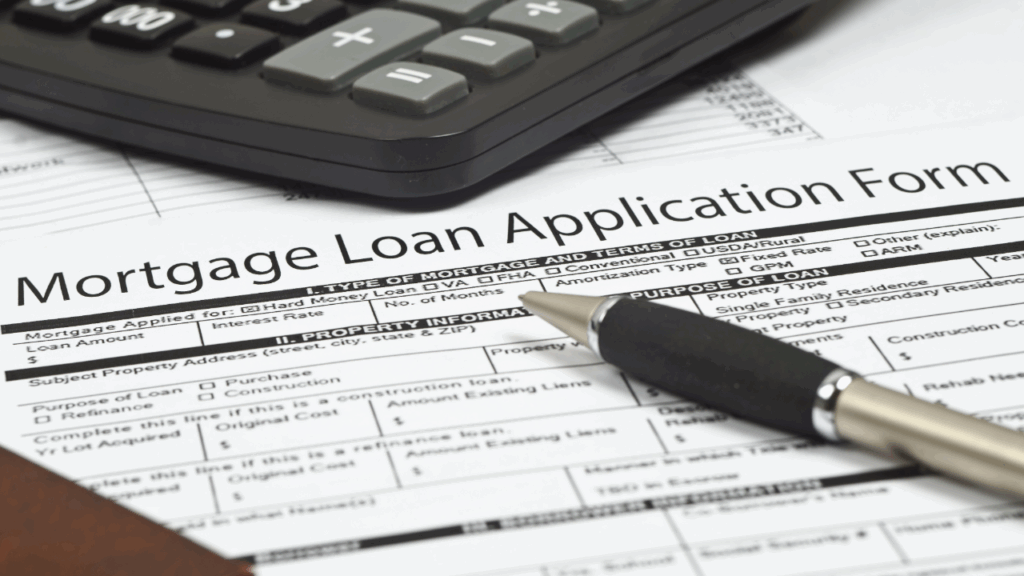
Various components affect how much you can borrow when you qualify for a loan. Interest rates, down payment, and the loan term are just a few factors that impact one’s ability to purchase a home.
Homebuyers typically start shopping for their mortgage loan by contacting different banks, local credit unions, mortgage brokers, or even online lenders. Lenders are looking for a combination of different factors, such as a strong credit score, consistent or increasing income and savings, your debt-to-income ratio, the amount of down payment available, and the type of mortgage you are seeking. They also look for red flags, such as delinquencies and bankruptcies.
To minimize the impact on your credit score, keep your loan shopping period within 45 days. According to the Consumer Financial Protection Bureau, multiple credit checks during that time count as a single inquiry.
Once your lender completes their review of your financial details, they will present different mortgage options. Here are some of the most common types:
- Conventional Loans
- FHA Loans
- VA Loans
- USDA Loans
Conventional Mortgage Loans
The conventional loan is the most widely used type of mortgage. These loans are not backed by the federal government, which gives lenders more flexibility in terms and conditions. Many homebuyers opt for conventional loans because they offer more customization options and fewer restrictions.
To qualify, buyers typically need good credit, a stable income, and a down payment of usually between 5% and 20%.
FHA Mortgage Loans
The FHA loan program has opened the door to homeownership for some who would not qualify for a conventional mortgage. This is because the Federal Housing Administration (FHA) Loan is a government-backed home loan program that is issued through select banks or lenders.
This type of loan is popular with homebuyers who may not qualify for a conventional loan. Credit history or lack of down payment are usually the two main reasons. FHA loans are also increasingly popular for first-time homebuyers, as they help low- to moderate-income families attain homeownership.
Homebuyers can experience these perks from purchasing real estate using an FHA loan:
- Commit to Less than a 20% down payment – In fact, borrowers considering applying for an FHA loan may qualify with as little as a 3.5% down payment.
- Qualify with lower credit scores – While conventional loans typically require a minimum credit score of 620, FHA loans require a minimum credit score of 500. However, to qualify for the 3.5% payment, those applicants must have a credit score of at least 580.
- Experience the same competitive interest rates as in conventional financing.
- Receive approval despite higher debt-to-income ratios – Since the federal government backs FHA loans, lenders consider applicants with higher debt-to-income ratios to qualify for a mortgage.
- Invest in different property types – Aside from single-family homes, homebuyers can purchase and reside in other types of homes, such as condominiums, duplexes, and other multi-family housing options.
VA Mortgage Loans for Veterans
Veterans Administration Loan (VA loans) are available to eligible veterans, active-duty military service members, and some surviving spouses. Like the FHA loan, the VA loan is also backed by the federal government, allowing borrowers to qualify without meeting the typical requirements needed for a conventional loan.
Those who qualify for a VA loan do not need to provide a down payment or Private Mortgage Insurance (PMI), and typically benefit from potentially lower interest rates, which ultimately make homeownership more accessible to them. VA loans are also a lifetime benefit, allowing veterans and other qualified borrowers to use them multiple times.
USDA Mortgage Loans for Rural Buyers
The United States Department of Agriculture (USDA) offers a loan program designed to help individuals living in rural areas attain homeownership. USDA loans are government-backed, meaning lenders can offer these loans with more favorable terms.
Similar to the VA loan, USDA loans do not require a down payment to qualify, which helps families who have not saved enough cash. Lenders can offer qualified borrowers competitive interest rates, low mortgage insurance, and flexibility in meeting credit score requirements (with a minimum credit score of 580 being ideal).
Although homebuyers encounter more lenient requirements than those of a conventional home loan, they still must meet particular criteria to receive approval for a USDA loan. Borrowers must be either a U.S. citizen or a legal resident and cannot exceed more than 115% of the area’s median income. The income restriction can present challenges to some buyers, depending on their target real estate market.
In addition, there are specific real estate requirements that must be met to qualify for a USDA loan. The property must be a single-family home located in a USDA-designated rural or suburban area. Apart from geographic limitations, USDA lenders will only approve properties that have structural integrity, access to utilities, and are considered overall safe.
Mortgage Loan Variables You Should Know
When considering buying a home, there are several mortgage variables that borrowers should know about before seeking a lender. After a lender provides preapproval for a couple of loan options, they will begin discussing the terms unique to each. Buyers should understand these loan variables before accepting one loan over another.
- Buyers should understand the difference between a fixed-rate mortgage (FRM) and an adjustable-rate mortgage (ARM). The key difference between these two types of loans is that one has a fixed interest rate, while the other adjusts with the federal interest rate. ARMs typically start at a lower interest rate than FRMs, but over time, they result in increased monthly payments as the interest rate moves with the federal interest rate.
- Buyers should learn more about interest rates – The interest rate you qualify for is influenced by multiple factors of your financial application. Your lender will be looking at your credit score, payment history, credit inquiries, income, savings, investments, and the amount you are allocating for your down payment. In addition to these personal nuances that influence interest rates, your lender will also consider market trends as an additional factor.
- Buyers should decide if they can commit to paying a mortgage for 30 years. Although 30 years is a long time, it is the standard payment schedule for a mortgage. Some lenders may offer an alternative loan schedule with a 15-year term. However, repayment within a much shorter timeline will substantially increase monthly payments and result in higher interest rates.
Choosing the Right Mortgage Loan for Your Needs
Buying a home, whether your first or tenth, is an exciting milestone, but it requires careful financial planning. Before you begin browsing listings, take time to consult with lenders and get preapproved.
Lenders can help you choose between a traditional conventional loan, an FHA loan, or a VA or USDA loan based on your financial situation. Be prepared to ask them about the various factors that influence each loan, conduct thorough research, and avoid rushing into a loan without a careful review.