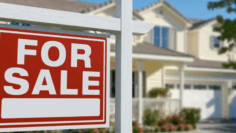

Should I rent or buy a house? Owning a home is a dream for many in the US, but is buying the right option for everyone? Many potential buyers weigh in on this decision, as purchasing a home is a long-term commitment that involves a costly down payment, long-term debt, and possibly expensive ongoing maintenance costs.
Still, even though a buyer is ready to take on these new challenges, that perfect blue suburban home with a white picket fence might not be the right choice, given their city, finances, and even their personal lifestyles. In fact, there are instances where renting makes more sense than buying a home.
Pros of Renting: Why Rent Instead of Buy a House?

Tenancy provides more flexibility to move than homeownership does. While circumstances can change for everyone, tenants have better flexibility when it comes to making moves for work, family, or just to start a new adventure. In real estate markets where home prices are declining, renting might be the best option for the time being, as the worry of losing equity and more than a home is worth doesn’t apply.
Renters are also not responsible for maintenance and replacement costs, HOA fees, taxes, and insurance. They can leverage the extra income in other ways, such as paying for entertainment or investing it in other financial growth opportunities.
Downsides of Renting a House vs Buying
Renters may find these negative trade-offs that are not dealt with when buying a home:
- Landlords can increase rent yearly at the end of the lease (typically at least 5%).
- Renters cannot write off taxes for renting a home.
- Customization of the unit is limited.
- Renters may not be able to have pets.
- Renters are bound by the rules set by the lease agreement.
Pros of Buying: Should You Buy a House?
Purchasing a home is considered a long-term investment. According to the National Association of Realtors, at the end of April 2025, 4 million homes were sold across the United States, with a median price of $414,000. Real estate is an excellent option for increasing net worth and using it as a tool to leverage future investments, such as a Home Equity Line of Credit (HELOC).
As homeowners progress through their mortgage amortization schedule, they gain a small piece of equity each month. Their property will also appreciate over time, earning them a return on their investment. Property owners can also benefit from tax advantages, such as interest payment write-offs and qualification for the Homestead Exemption, which reduces their property tax burden by a fixed amount of their overall assessed value.
Another pro of homeownership is customization. Homeowners can paint the walls whatever color they desire, hang frames on their walls, and change fixtures throughout.
Challenges of Buying a House Instead of Renting
Homeowners typically benefit from owning a property; however, that does not mean there are no cons to being a homeowner.
- Upfront costs are larger. Down payments are typically at least 5% for most conventional loans. Buyers who purchase a home with less than 20% down must also pay for Private Mortgage Insurance, which is an additional monthly cost attached to the mortgage payment.
- Property taxes typically increase annually, leading to higher monthly escrow payments.
- Insurance rates can also increase, which can affect monthly payments.
- Generally, home ownership equates to more responsibility. If something breaks, the homeowner is responsible for making the necessary repairs.
- Getting up and moving is not as simple. Properties can take months to sell, even before finding the right real estate agent and preparing the property for sale.
Location Affects Buyers and Renters
Suburban and urban locations have a significant influence on one’s decision to rent or buy due to access to local amenities, entertainment, proximity to highways, and work opportunities. Location and access to popular amenities may significantly inflate the surrounding housing prices, barring homeownership from many people. In metropolitan areas with high demand, such as New York City and Los Angeles, many residents find homeownership simply out of their reach.
Still, even though prices might be high, expensive real estate should not deter someone from living in their desired neighborhood. Renting a home instead allows residents to enjoy amenities that might be inaccessible if they move to a less expensive neighborhood. Tenants who choose to rent in these more desirable neighborhoods often end up saving money, as they do not have to budget for a down payment or closing costs before moving in.
In the long run, tenants may have more financial flexibility, as they are not responsible for taxes, insurance, and ongoing maintenance costs. These savings provide tenants with additional financial resources to spend in their local economy, like bars, shopping, and other forms of entertainment.
How to Decide if Renting or Buying a House Fits Your Long-Term Financial Goals
Those who do not have good credit or sufficient income to purchase a home will usually opt for renting instead. Renting a home may seem counterintuitive in increasing wealth, but depending on personal circumstances, it might be the most financially sound decision.
Some homeowners enter into mortgages that are way beyond their means. This includes homeowners who are prequalified for these loan amounts by a reputable lender. Suddenly, they find themselves struggling just to make their monthly payments. In many of these cases, those homeowners risk losing their property and all the funds they paid upfront during the transaction.
Mortgage Essentials 101
If homeownership is the ultimate goal, prospective buyers should be aware that lenders consider more than just annual income when pre-approving a buyer. They review credit scores, payment histories, assets, and the buyer’s profession (and their stability) before signing off on any pre-approvals. Most prospective buyers save for years before seeking pre-approval for a home loan. In the meantime, they rent and save until they have the needed funds to buy a house successfully.
Although mortgage payments typically remain consistent throughout the loan, escrow amounts tend to fluctuate depending on local government bills and changes in insurance rates.
A typical mortgage consists of three different parts:
- Principal payment – Principal payments typically remain the same throughout the life of the loan. Borrowers may predict the amount of interest they will pay over the lifetime of their loan using an amortization schedule.
- Interest – Interest rates may change multiple times per year. Back in 2021, Americans saw interest rates plummet to as low as 2.86%; however, interest rates have since increased and more than doubled since then, reaching a high of 7.79% in 2023. The interest rate on your mortgage is fixed, and the loan will cost more the higher it is.
- Escrow payments (taxes and insurance) do not remain constant from year to year. Many counties (or states, depending on the location) impose annual increases in property taxes. Typically, this amount is derived from what is called an assessed value, which is determined by your local property appraiser’s office. Note that this value is very different from market value, which is the amount your property would sell for if you were to list your property for sale.
While real estate is an excellent tool for increasing net worth in the long term, sometimes it is best to leverage money in other ways to generate additional income. Today, investors have access to a wide range of investment options, including ETFs, gold, high-yield savings accounts, as well as index funds and bonds.
Real estate is only one of the many ways someone can reach their financial goals. Both renting and buying a property can be used to generate wealth if done correctly.
Rent or Buy a House? Make the Right Choice
Choosing whether to buy or rent a home is a personal choice that heavily depends on financial priorities, the desired location, and overall financial health. Renting a house offers flexibility and fewer maintenance responsibilities, while purchasing a house helps build equity and wealth for those who can invest over the long term. By considering the pros and cons of each, potential buyers (and renters) can choose the option that fits their life’s circumstances best.