
There’s no doubt that buying a house is an exciting time. Prospective buyers get to explore different properties, figure out what fits their needs, and sometimes even learn that they can get more bang for their buck. With the help of a good real estate agent and lender, buying the next home can be smooth sailing, though each transaction may come with its own unique twist.
The home-buying process can have its overwhelming moments, but that’s no reason to feel discouraged. Buying a home, even if it’s not the first, is a major milestone that builds long-term equity and contributes to one’s future financial stability.
Here are three steps to consider before getting the keys to your new home:
- Secure financing with a good lender
- Plan for fees and costs
- Find a real estate agent you trust
Step 1: Secure Financing Before Buying a House
The National Association of REALTORS® reports that around 5% to 7% of home transactions failed to close in 2024. Deals can fall through for many reasons, but more commonly, it’s due to a failed inspection, a low appraisal, or the buyer’s inability to secure enough financing.
While it is impossible to control the outcomes of an inspection report or appraisal, you can make sure that you’re working with a lender you trust. Finding a good lender is just as important as having a good real estate agent, and they are part of the team that helps ensure your transaction closes successfully.
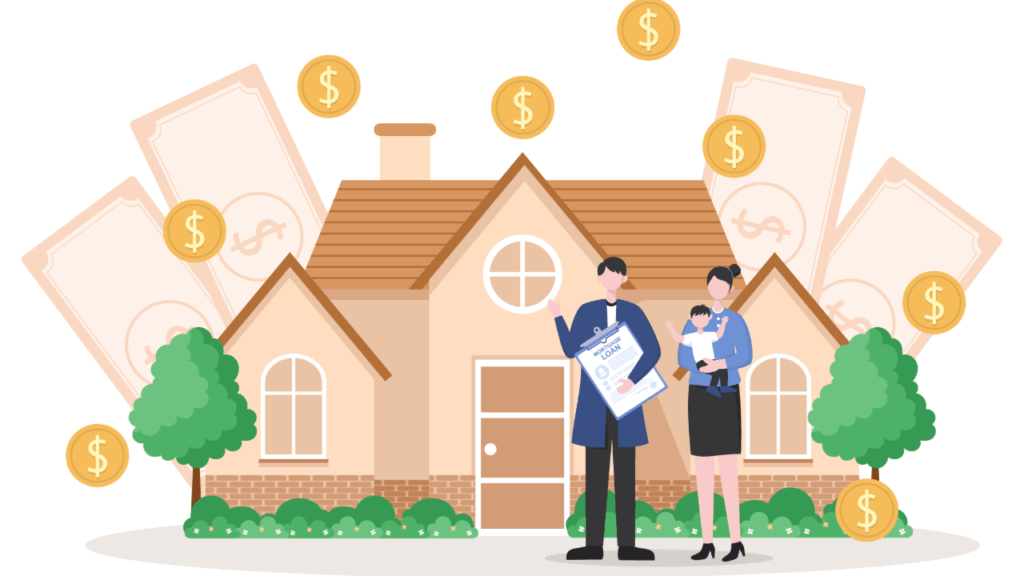
What a Good Lender Should Do When Buying a Home
Although many homebuyers are tempted to dive into open houses and start browsing the market, it is essential to get preapproved for a mortgage first. Your lender will help determine the amount you’re qualified to borrow and set realistic expectations as you begin your home search. They will also play a crucial role in ensuring the closing process remains smooth and on track.
When buyers work closely with their lenders, their expertise is an invaluable asset needed to navigate the home-buying process smoothly.
A good lender should clearly explain:
- Your loan terms and product options (if any)
- Available interest rates
- Whether mortgage discount points are available
- The required down payment for your purchase
- Any fees to expect at closing
They should also offer various loan products with different interest rates, down payment requirements, and repayment terms. In addition to knowing their products, a good lender also understands their local market, including home prices in the area and local tax rates.
Here are some common types of loans a lender may offer you:
- Conventional – The most common type of financing, requiring a down payment typically ranging between 5% and 20%.
- Federal Housing Administration (FHA) loan – A popular option for buyers with lower credit scores or limited savings. FHA loans often require a down payment of as little as 3.5%. It is also very popular with first-time homebuyers.
- Veteran’s Affairs (VA) loan – Available to eligible veterans, active duty members, and surviving spouses. VA loans are backed by the Department of Veterans Affairs and often require no down payment and no private mortgage insurance (PMI).
There are many different types of loans available in the market, each with its own pros and cons. That’s why it’s worth it for buyers to work with a lender they trust so they can find the best financing option available.
Step 2: Find the Right Agent When Buying a House
There are numerous real estate agents available to assist homebuyers in securing their next home, but not all agents are created equal. As Nerdwallet explains it, a good real estate agent will not just help you buy a house; they will also help you make the right decision, all while avoiding costly mistakes along the way.
Buying a house is a major investment, so it’s completely normal to feel some anxiety as you navigate the process. A great real estate agent understands that and will work hard to guide a buyer through all the steps with confidence. Their guidance and expertise can be invaluable when challenges arise or deals require additional negotiations.
To find a good real estate agent, homebuyers can start by asking friends and family for recommendations. From there, buyers should do their own research by visiting websites, reading online reviews, and social profiles to learn more about a real estate agent’s approach and experience. Once the list is narrowed down to about two or three potential real estate agents, buyers should connect with them through phone or email, explain the situation, and see if they are a good fit.
Here are a few helpful questions to ask your potential real estate agent:
- Will you represent only me in this transaction, or are you a dual agent representing each side?
- Will I be working directly with you or someone else on your team?
- What is your experience, and have you worked with buyers with similar circumstances?
- Do you have client references I could speak with?
If you’re not sure where to begin, you can always connect with your lender for a referral. Lenders often have a network of real estate agents or referral services that can help connect you with someone local who has a solid reputation.
Know the True Costs of Buying a House
Buying a house comes with additional fees and expenses that even the most seasoned buyer may overlook. These costs are due at varying stages of the home-buying process and are needed to finalize the sale.
Down Payment
One of the biggest hurdles for many homebuyers is the down payment. The amount paid can equal thousands of dollars and may take many years to save. Although it may take a few years to secure, it is needed before seeking a mortgage preapproval.
Without a down payment, the home-buying process cannot move forward, so it is an essential first step.
Earnest Money Deposit
Although many states and contracts allow for earnest money to be included in the down payment or closing costs, it is considered a separate upfront payment made as an act of good faith. Essentially, when a buyer pays the earnest money deposit, they are indicating their intention to proceed with the deal. Earnest money is usually about 1% to 2% of the total purchase price and is held in an escrow account until closing.
Closing Costs
Closing costs are fees associated with finalizing the transaction that are due at closing. These fees typically cover:
- Appraisal and inspection fees
- Title insurance and transfer
- Taxes
- Loan origination and underwriting fees
- Homeowner’s Insurance
- Real estate agent commissions
Buyers should carefully review their Loan Estimate and Closing Disclosure to best understand the costs and to prevent last-minute surprises. If there are ever any questions, buyers should reach out to their lender for clarification.
Post-Purchase Home Expenses
Homeowners should be prepared for potentially unexpected expenses after closing. While some of these are caught during the inspection, others (like HVAC breakdown or storm damage) can catch even the most seasoned homeowner off guard. Setting aside some extra funds, apart from the down payment and closing costs, for these unpredictable expenses can help ease the transition to their new home.
Final Thoughts Before Buying a House
Buying a home can feel overwhelming, even for someone who has purchased property before. But a little bit of preparation can go a long way toward an easier home-buying process. Choosing the right lender, a real estate agent you trust, and having a clear expectation of the fees before closing will help you be more confident and make the home-buying process more manageable and even enjoyable.