

The choice of oven for your kitchen is crucial; it influences your cooking style, energy consumption, and even the taste of your food. The two most often used models are gas and electric ovens; both have special benefits and disadvantages. This article will investigate both solutions’ features, use, cost, energy economy, and other aspects.
Gas vs Electric Ovens: How Gas Ovens Work
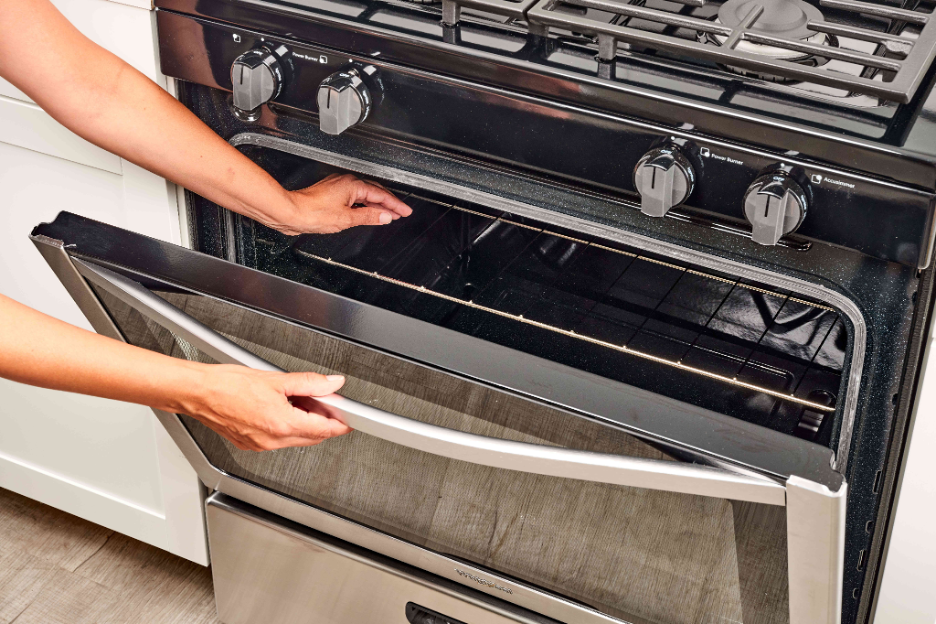
For years, gas ovens have been a preferred choice. To create heat, they run natural gas or propane as their fuel. Gas burners on the cooktop supply heat for pots and pans; the heat is distributed through a burner at the bottom of the oven. Although their cooking performance is well-known, gas ovens have unique qualities worth investigating.
How Do Gas Ovens Work?
The function of gas ovens depends on a basic mechanism. Once the gas is ignited, the flame heats the oven cavity. While modern gas ovens typically use electric ignition systems, older models sometimes use a pilot light to burn gas. This ignition method is not only more energy-efficient but also safer.
The heat in gas ovens is typically moist because burning gas releases water vapor as a byproduct. This characteristic can influence how food cooks, particularly baked goods. For instance, pastries and cakes may not develop as crispy a crust as they would in a drier electric oven.
Advantages of Gas Ovens
- Instant Heat Adjustment: Gas ovens’ quick heating rates allow almost instantaneous temperature control. Professional chefs and home cooks who must exert exact control over their cooking value this responsiveness.
- Cost-Effective Operation: Depending on your location and the cost of natural gas, running a gas oven could be less expensive than running an electric one. This is particularly true in places where natural gas is cheaper than electricity.
- Continued Operation During Power Outages: Gas ovens have a major benefit in that, given a manual ignition option, they can still operate during power outages.
- Better for Roasting: Gas ovens’ moist heat can improve roasted meat and vegetable flavor and texture.
Challenges of Gas Ovens
- Uneven Heat Distribution: While gas ovens are great for some jobs, their heat distribution can occasionally be erratic, particularly on older models. Hot areas could develop, requiring rotating or turning dishes throughout cooking.
- Moist Heat Limitations: Moist heat is less ideal for baking some foods, and the moisture from burning gas can make it more difficult to achieve crispy textures.
- Installation Requirements: Gas ovens must be connected to a gas line, which is not always accessible in every house. New gas line installation can be costly and calls for expert advice.
- Safety Concerns: Though rare, gas leaks can be rather dangerous. Safety depends critically on regular maintenance and a working carbon monoxide detector.
Gas vs Electric Ovens: How Electric Ovens Work
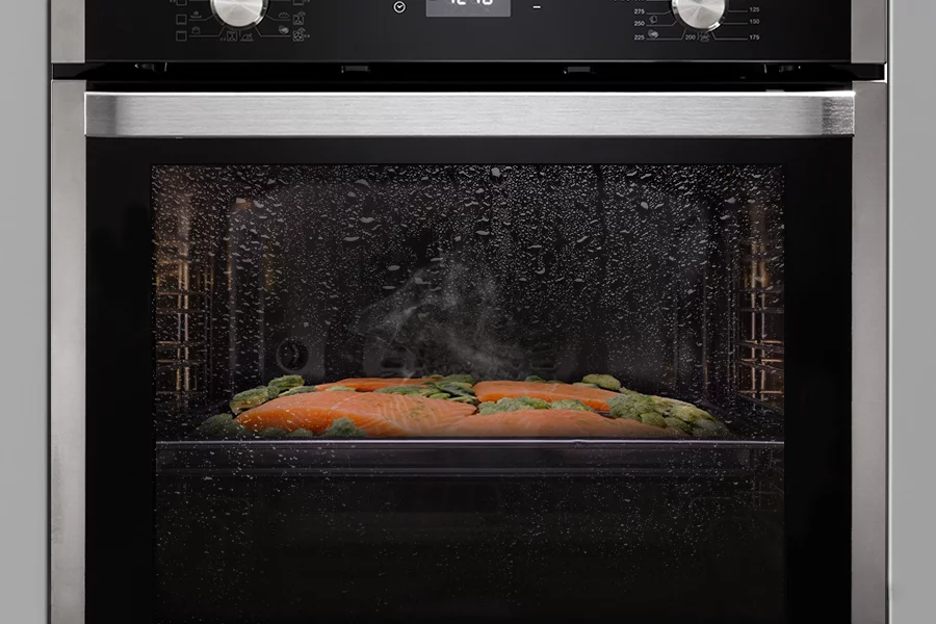
Modern conveniences and simplicity of use have made electric ovens ever more appealing. They generate heat from electrical elements, generating consistent and even cooking performance. Typically flexible, most electric ovens have convection settings and other sophisticated choices for improved control.
How Do Electric Ovens Work?
Heating elements at the top and bottom of the oven cavity drive electric ovens. Turning on the oven causes electricity to run across these elements, transforming it into heat. Many electric ovens also feature a fan for convection cooking, which circulates hot air to guarantee even cooking.
Electric ovens generate dry heat, unlike gas ovens. This makes them especially appropriate for baking projects when browning or crispiness is desired.
Advantages of Electric Ovens
- Even Heat Distribution: Electric ovens usually offer consistent and even heat, particularly for baking bread, cookies, and cakes.
- Ease of Installation: Electric ovens, unlike gas ovens, just need an electrical connection, which simplifies installation for most homes.
- Versatile Cooking Features: Many electric ovens provide more flexibility with advanced conveniences, including convection settings, self-cleaning modes, and programmable cooking options.
- Safer Operation: Electric ovens eliminate the possibility of gas leaks, so they address the gas oven’s related issues. Usually, their operation and maintenance are safer.
Challenges of Electric Ovens
- Slower Heat Adjustment: Preheating and cooling down an electric oven takes more time than a gas oven does. Moreover, there are fewer sudden temperature changes.
- Higher Operating Costs: Running an electric oven could be more costly than running a gas oven in areas with high electricity rates.
- Power Dependency: Electric ovens may be problematic in places with regular electrical interruptions since they will not operate during power outages.
- Initial Purchase Cost: High-end electric ovens—especially those with sophisticated features—may be more costly upfront than gas ovens. :
Gas vs Electric Ovens: Which Cooks Better?
Cooking performance is among the most important considerations when deciding between a gas and electric oven. Both varieties excel in some areas but may not be as effective in others.
Baking
Due to their consistent heat distribution, electric ovens are often preferred for baking. This is because the dry heat allows bread, cakes, and pastries to develop a nice crust and texture. In contrast, gas ovens can yield uneven results due to hot spots and the moisture they release.
Roasting
Roasting meats and vegetables is quite easy with gas ovens. The moist heat preserves natural juices, producing tender and tasty cuisine. Although still useful, electric ovens may cause food to dry out somewhat due to their low moisture levels.
Broiling
Broiling is a technique whereby food is cooked from above using direct heat. Electric ovens often excel in this regard since their broilers give consistent and strong heat. The same degree of accuracy may prove difficult for gas ovens.
Gas vs Electric Ovens: Which Is More Efficient?
Your oven’s energy efficiency influences not just your running costs but also the environmental impact of your house. The decision about gas or electric ovens affects carbon emissions and energy consumption.
Gas Ovens
Since they directly convert most of the natural gas energy into heat, gas ovens are usually more energy-efficient than electric ovens. However, natural gas becomes less ecologically friendly over time because its manufacturing and distribution produce greenhouse gas emissions.
Electric Ovens
Because electricity is often produced from fossil fuels, which can lead to greater emissions, electric ovens are less efficient in terms of energy conversion. However, as solar and wind technologies proliferate, the environmental effect of electric ovens is waning.
Gas vs Electric Ovens: Cost Breakdown
Selecting between gas and electric ovens means weighing the running expenses as well as the upfront ones. Every choice has different financial consequences that should fit your cooking requirements and financial capacity.
Initial Purchase Price
Gas ovens, notably upscale models with sophisticated features, often have a lower upfront cost than electric ovens. Still, the expense of laying a gas line can outweigh these initial savings.
Operating Costs
Local utility rates control operating expenses. Gas ovens run more economically in places where natural gas is less expensive than electricity. On the other hand, electric ovens could be more affordable in areas with cheap electricity.
Maintenance and Repairs
Regular maintenance of gas ovens guarantees safe operation and helps to find leaks. Though they usually require less maintenance, electric ovens could need expensive repairs for problems with their control panels or heating elements.
Gas vs Electric Ovens: Safety and Daily Use
Your oven choice affects the kitchen’s everyday convenience and safety. Let us investigate these features to evaluate electric and gas ovens.
Safety
Gas ovens can be dangerous, including carbon monoxide emissions and gas leaks. Safe operation depends mostly on correct installation and frequent maintenance. While they reduce these hazards, electric ovens can cause problems if improperly grounded.
Convenience
Modern kitchens find electric ovens more practical since they usually feature timers, preset cooking programs, and self-cleaning capabilities. Though simpler, gas ovens provide the convenience of rapid heat changes and cooking during power blackouts.
Gas vs Electric Ovens: Final Thoughts
Your cooking style, energy expenses, and personal tastes will determine whether you choose an electric or a gas oven. Those who appreciate rapid heat changes, affordable running costs, and a moist cooking environment will find gas ovens perfect. Conversely, bakers and others looking for even heat distribution and sophisticated features will find the ideal fit for electric ovens.
Before deciding, consider installation expenses, energy economy, safety, and cooking demand. Knowing the advantages and drawbacks of every alternative will help you select an oven suitable for your kitchen and way of life.