

If your grocery receipt has started looking more like a phone number, you’re not alone. Feeding a family these days can feel like a full-time job with a part-time paycheck. But before you resign yourself to another night of cereal for dinner, let’s talk about a little secret weapon: meal planning.
Meal planning doesn’t mean spreadsheets or becoming a domestic goddess overnight. It means creating a loose plan to help you save money, reduce waste, and answer the daily question, “What’s for dinner?” without losing your mind.
Why Family Meal Planning Saves Money and Reduces Stress
According to the USDA, the average family of four spends between $975 and $1,400 per month on groceries, depending on whether the plan is thrifty or lavish. But when you plan meals ahead, you’re far less likely to overspend, impulse-buy, or waste food that sits forgotten in the back of the fridge.
Instead of buying ingredients you might use, you’re buying ingredients you know you’ll use. That alone makes a huge difference.
Family Meal Planning Tip #1: Shop Your Kitchen First
Before writing a single thing down, do a quick inventory of your pantry, fridge, and freezer. That half-used bag of rice, the frozen ground turkey, and the wilting broccoli all deserve a second chance.
Once you know what you have, it’s much easier to build meals around those ingredients, reducing waste and cutting costs.
Save Money with Family Meal Planning: Core Dinners
Rather than planning out 21 meals a week, start by choosing just a few dinners your family already loves. Pick meals that:
- Use similar ingredients (think ground meat or rice)
- Stretch across multiple nights (hello, leftovers)
- Are easy to prep ahead
Here are some family-friendly, budget-conscious meal ideas:
1. Taco Night (But Make It Stretch)
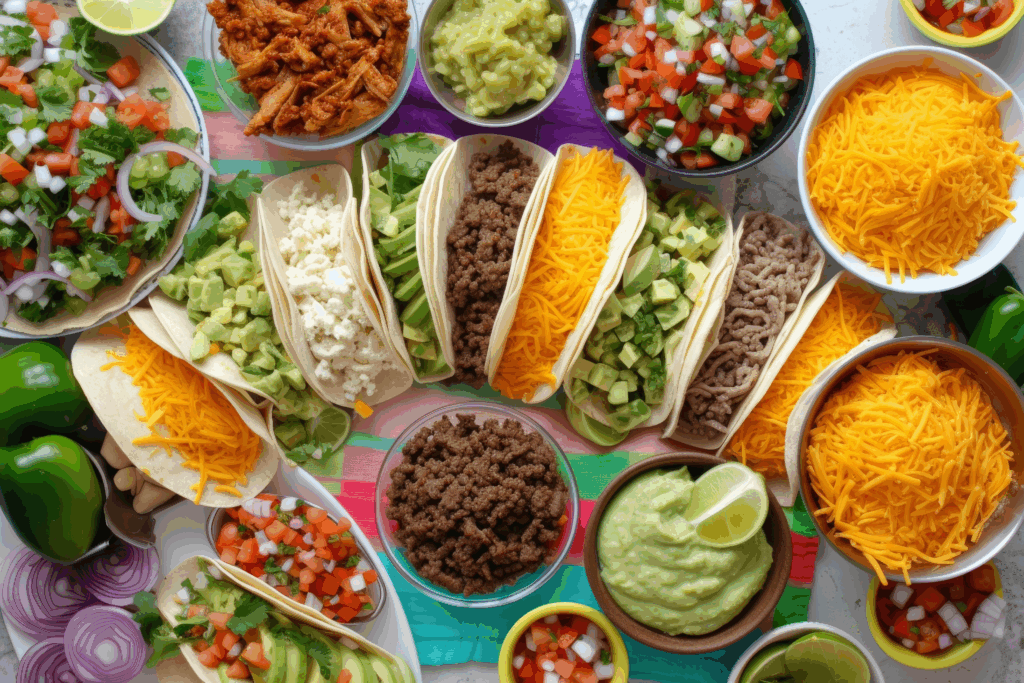
Use a pound of ground beef or turkey with canned beans, taco seasoning, and tortillas. Add a side of rice and toppings like lettuce, tomatoes, and shredded cheese. Make extras for taco salads or quesadillas the next day.
2. Sheet Pan Sausage & Veggies

Chop up a few budget-friendly veggies (carrots, potatoes, bell peppers, zucchini) and roast them with sliced sausage and olive oil. Toss it all on a sheet pan and let the oven do the work. Bonus: fewer dishes!
3. Pasta Primavera
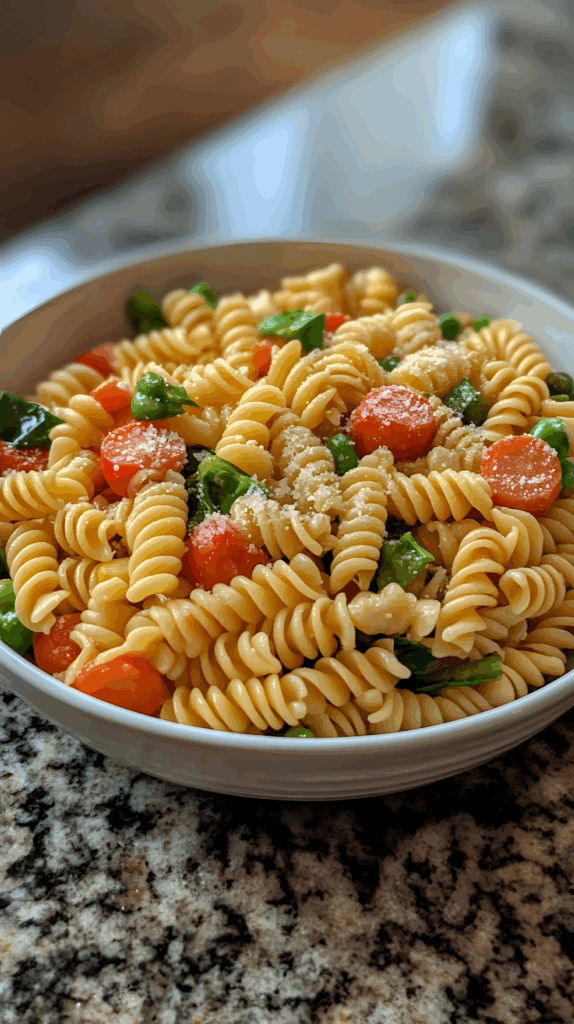
Grab whatever veggies you’ve got on hand (even frozen), sauté with garlic and olive oil, and toss with pasta. Add a sprinkle of Parmesan or a dollop of cream cheese if you’re feeling fancy. It’s quick, colorful, and kid-approved.
4. Baked Potato Bar

Bake a batch of russet potatoes and load them up with toppings like sour cream, cheese, beans, steamed broccoli, or leftover chili. Everyone builds their own, which makes dinner feel more like an activity than a chore.
How Family Meal Planning Uses Leftovers to Save Money
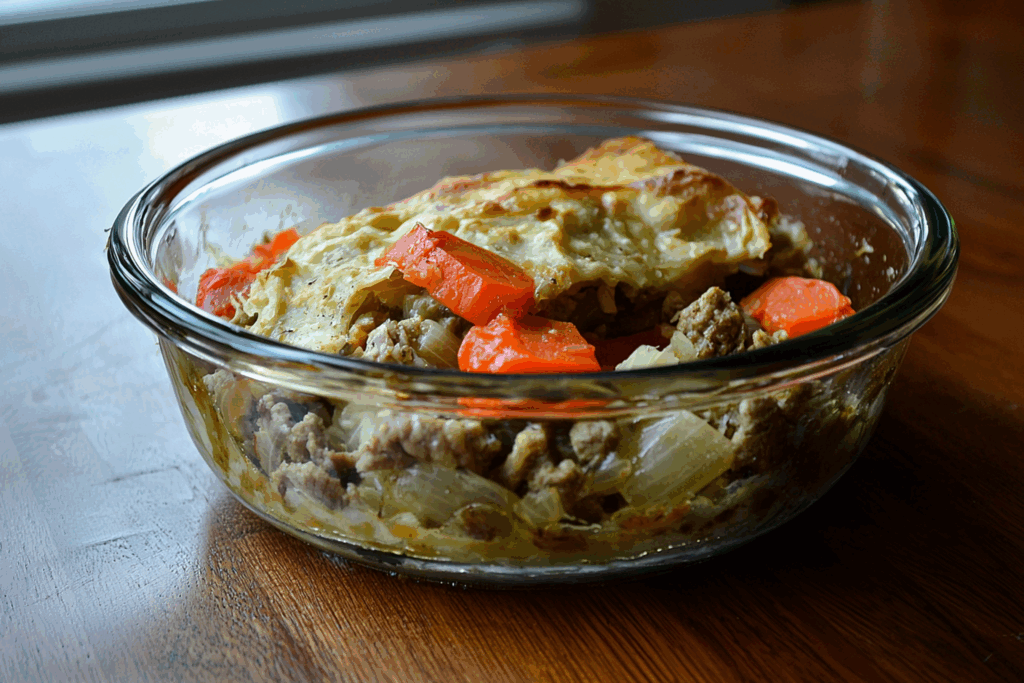
Make enough of certain meals (like soups, stews, or casseroles) to eat twice in one week. It’s the easiest form of batch cooking. You can also add a “flex night” to your plan. Use this for pizza night, pantry clean-out dinners, or whatever needs to be eaten before it turns into a science experiment.
Smart Grocery Shopping for Family Meal Planning on a Budget
A little strategy goes a long way when you’re at the store:
- Stick to the list: That sale on truffle oil? Keep walking.
- Buy generic: Store brands are often just as good as name brands and way cheaper.
- Don’t fear frozen: Frozen fruits and vegetables are picked at peak ripeness and often cost less than fresh.
- Go meatless (sometimes): Beans, lentils, and eggs are rich in protein and budget-friendly.
Get the Family Involved
Even if you’re the meal planner-in-chief, it helps to get the whole crew involved. Let kids pick a theme night (like “Breakfast for Dinner”) or help chop veggies. Ask your partner to brainstorm meals they’d look forward to. The more buy-in, the fewer complaints when dinner hits the table.
Sample Family Meal Plan to Save Money on Groceries
Here’s what a week could look like for a family of four:
- Monday: Baked ziti with salad (use canned tomatoes, mozzarella, and dried pasta)
- Tuesday: Chicken stir fry with frozen veggies and rice
- Thursday: Leftover ziti + garlic bread
- Friday: DIY pizza night using English muffins, tomato sauce, and toppings
- Sunday: Slow cooker chili with cornbread
This whole plan uses overlapping ingredients like cheese, rice, veggies, and beans, which helps keep the grocery list shorter and the budget happier.
Final Family Meal Planning Tips for Saving Money Long-Term
- Use what you buy: If you plan to use spinach in a quiche, also toss it into a smoothie or pasta dish.
- Keep a meal idea list: Create a note on your phone or a list on your fridge with meal ideas you know your family loves.
- Have theme nights: Think Meatless Monday, Taco Tuesday, or Leftover Friday. It takes the pressure off.
The Bottom Line: How Family Meal Planning Helps Save Money
Planning your meals doesn’t have to be a full-blown lifestyle change. It’s just a way to take a little control in a world of chaos, economic uncertainty, and ever-growing grocery bills. By being a little more intentional with how you shop and cook, you can feed your family well, save some serious cash, and still have time for a glass of wine at the end of the night.
Sources:
USDA Cost of Food Report: https://www.fns.usda.gov/cnpp/usda-food-plans-cost-food-reports
Harvard T.H. Chan School of Public Health: Frozen vs. Fresh