

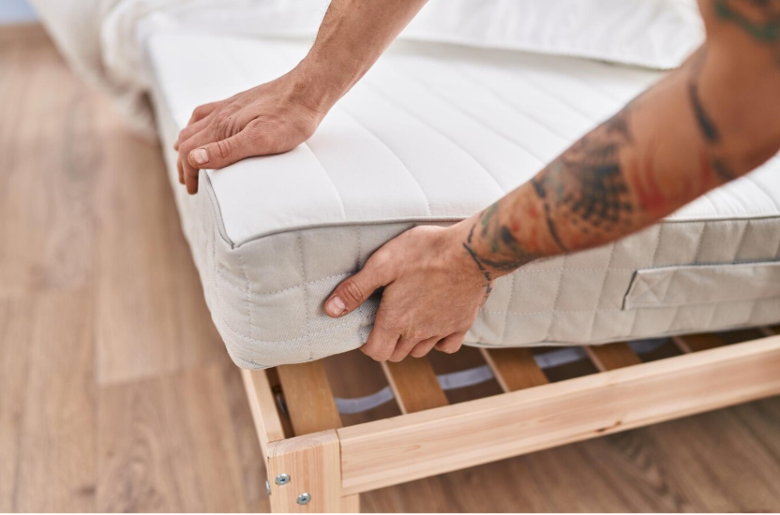
A new mattress could be one of the most important things you can buy for your health, but nobody does it very often. Your mattress can make you sleep better, feel better when you wake up, and even get more active during the day. It’s easy to feel like there are too many options. If you want to choose the best mattress for your health and relaxation, this guide will help you understand the differences between those mattress types.
Mattress Types Explained: What to Know Before You Buy
Today, you can choose from different types of mattresses. Each has its own feel, amount of support, and lifespan. Before you get into the fancy stuff, it’s important to know what your main choices are. There isn’t a mattress that works for everyone. For some people, what works as a bed may feel like a rock or a hammock. So what should you buy? What makes the difference in a mattress?
Memory Foam Mattresses
Memory foam beds are renowned for their ability to mold to the body. NASA developed this material, and now it’s helping people sleep better by reducing the stress on their joints. It slowly molds to your body’s weight and shape, making you feel soft and safe. This type of mattress is ideal for individuals who require targeted support, such as those with chronic pain or who sleep on their side.
Innerspring Mattresses
An innerspring mattress supports the user with a system of coils. People often consider these more classic, and they typically feel more springy than foam beds. The space between the coils also lets more air flow through them, which keeps them cooler. People who prefer a firm mattress or who sleep on their back or stomach often choose them.
Latex Mattresses
Natural or man-made rubber can be used to make latex mattresses. People like them because they’re sensitive, slightly springy, and airy. Because it doesn’t grow mold or harbor dust mites, natural rubber is ideal for individuals who care about the environment and those with allergies. This kind provides a good mix of warmth and support without making you feel like you’re sinking in as memory foam does.
Hybrid Mattresses
Hybrid beds feature both memory foam and latex foam layers, as well as innerspring coils. They’re like getting the best of both worlds. Foam relieves pressure, and coils make it strong, allowing air to flow through it. A well-made combination features strong edge support, maintains a stable temperature, and effectively prevents motion transfer. They’re a good choice for couples who sleep in different ways.
Mattress Features That Matter Most for Sleep
Now that you know the main types, it’s time to look at the parts of the mattress that can make or break your sleep. Even though features sound fancy, they’re what make you feel like you can finally relax when you lie down. Let’s talk about what’s important.
Firmness and Support Levels
Support and firmness are not the same thing. Support refers to how well the mattress keeps your back aligned, while firmness refers to the degree of softness or hardness of the mattress. If your mattress lacks sufficient support, it can cause discomfort, especially if it’s too soft. Additionally, a hard mattress isn’t always better; it depends on your weight, sleeping position, and what feels most comfortable to you. It’s always smart to try before you buy.
Cooling Technologies
Things that cool you down can help people who sleep hot. To keep you from getting too hot, many beds now have gel infusions, copper layers, or covers that allow air to flow through them. Latex naturally stays cooler, and the open coil systems in hybrid and innerspring beds let air flow through them. If you wake up sweaty, cooling functions could make a big difference.
Motion Isolation
Movement isolation can help you stay asleep even if your partner moves around a lot in bed. Memory foam is the best in this case. It takes in movement instead of sending it somewhere else. Most innerspring beds fail at this unless they have stacked coils. Most of the time, a combination of individually wrapped coils and foam on top works well.
Edge Support
When you sit or sleep close to the edge of the mattress, you won’t feel like you’ll roll off due to the edge support. This is particularly important for couples, individuals with mobility issues, or those who frequently use their beds. Most innerspring and hybrid beds do well here, but some all-foam beds may feel shaky near the edges.
How Mattress Types Align with Sleep Styles
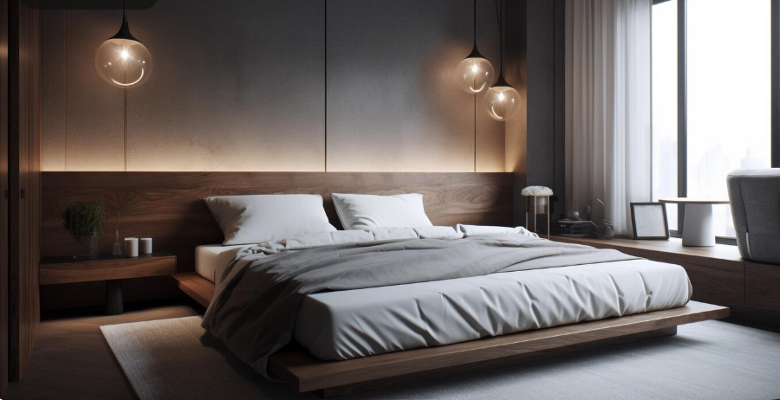
There is a way that everyone sleeps, even if they don’t think about it much. You might go back, side, or stomach, or you might switch between all three. The mattress you choose should depend on your preferred sleeping style. Let’s examine how the various types and traits correspond to the major sleep styles.
Side Sleepers
Shoulders and hips need to be able to relax when people sleep on their sides. If your mattress is too hard, your arms might go numb, or your hips might hurt. Memory foam is often chosen because it molds to the body’s shape and helps keep the spine straight. Most of the time, medium-soft to medium-firm beds work best here because they provide support without sinking in.
Back Sleepers
People who sleep on their backs require support that is balanced and maintains their spine in a neutral position. If your bed is too soft, your hips may sink, which can cause lower back pain. Most of the time, a medium-firm or hard mattress works best. For these people, hybrid and innerspring beds often have the right amount of firmness and give.
Stomach Sleepers
If you sleep on your stomach, it can put pressure on your lower back, so it’s important to have a mattress that keeps your chest raised. The enemy here is too much sinkage. Typically, you should opt for a firm mattress, such as an innerspring or latex one. Fewer contours and strong support help lower pressure and keep things from getting out of place.
Combination Sleepers
If you move around during the night, you need a mattress that can mold to your body. Latex or blends that are flexible are great for this. You won’t feel stuck because they come back fast. Most of the time, mixed sleepers do best with mattresses that are medium-firm, good at controlling motion, and relieve pressure.
Mattress Types, Sizes, and Final Considerations

Besides the materials and features, a few other small aspects can also affect your decision to buy. They may not sound exciting, but they are important when you decide to use something every day. Here are the last few things you need to feel sure about before you click “add to cart.”
Mattress Size and Thickness
Consider who will be sleeping in it, how much space they will need, and the size of their room. If you share a bed, these sizes—twin, full, queen, and king—do matter. How thick it is is also important. Mattresses that are 10 inches or thicker tend to provide more support and are better suited for individuals who are larger or have joint problems.
Trial Periods and Warranties
Now, brands let you try their sleep products for 90 to 365 days. You have a lot of time to decide if it fits. A strong guarantee is another sign of quality. It’s best to find guarantees that cover sagging past a certain point and any structural problems for at least 10 years. These rules show that the business stands behind its goods.
Certifications and Materials
You should look for standards like CertiPUR-US or OEKO-TEX if you have allergies or care about what you sleep on. These signs ensure that the materials used don’t contain any harmful chemicals and meet safety standards. Organic beds often have extra seals that show they are eco-friendly and were made in a way that doesn’t release harmful chemicals into the air.
Conclusion
It’s not enough to just pick out a mattress that feels good in a store for a minute. You need to be aware of the primary materials, how various parts impact your sleep, and how to tailor them to your specific needs. There is a mattress out there for everyone, whether you sleep on your back, side, or stomach, or switch positions throughout the night.
You’re no longer wondering since you know all of this. You are now aware. When you go shopping for a mattress the next time you want to sleep better, you’ll know exactly what to look for in one that suits your body, habits, and lifestyle.