


Mayonnaise is one of those kitchen essentials that enhances almost every dish it is served with. It’s creamy, versatile, and works as a spread, a binder, or the base for dressings and dips. For some, mayo is that bland substance in a jar bought from the store; however, once you try your own homemade mayonnaise recipe, you will understand how differently it tastes.
Homemade mayo has a silkier texture and a cleaner flavor. It feels like a rich cream with just the right amount of lightness and tang. The best part is that it takes only five to ten minutes and requires only a few ingredients that you likely already own.
Why Make a Homemade Mayonnaise Recipe?
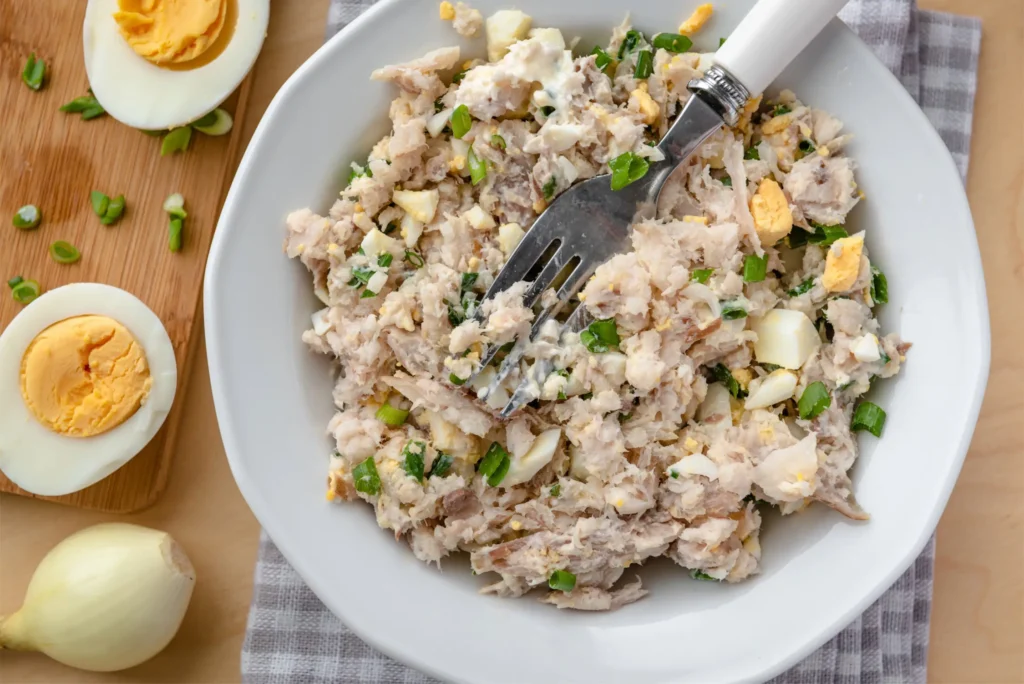
The number one reason is the unmatched flavor. The perfectly balanced amount of seasoning, acid, and the type of oil used is in your hands. All the described options allow you to create something customized to fit your needs, rather than settling for a jar from the store.
New homemade mayonnaise has ample freshness. Store-bought mayonnaise often sits on the shelf for months before it even reaches your fridge. Homemade mayo has none of those preservatives or stabilizers. It’s pure and simple, which makes it taste brighter and more vibrant.
Now, let’s talk about customizability. After mastering a recipe, adding new tasty ingredients is a breeze. You can play around with flavors. Examples include garlic for a punchy aioli, sriracha for a spicy kick, or fresh herbs for a lighter and refreshing option.
Mayonnaise is a classic example of an emulsion; two things that don’t naturally mix (oil and liquid) are combined into one smooth, stable sauce. The magic comes from egg yolk, which contains lecithin, a natural emulsifier that helps hold the oil and acid together.
When oil is added gradually to egg yolk and whisked or blended, the droplets of oil get suspended evenly throughout the mixture. That’s what creates the thick, creamy texture. If you add the oil too fast, the mixture may separate. That’s why patience is essential.
It is very easy to prepare and takes very little time. Additionally, if the product does not turn out well for some reason, the recipe allows for adjustments.
Choosing Ingredients for Your Homemade Mayonnaise Recipe
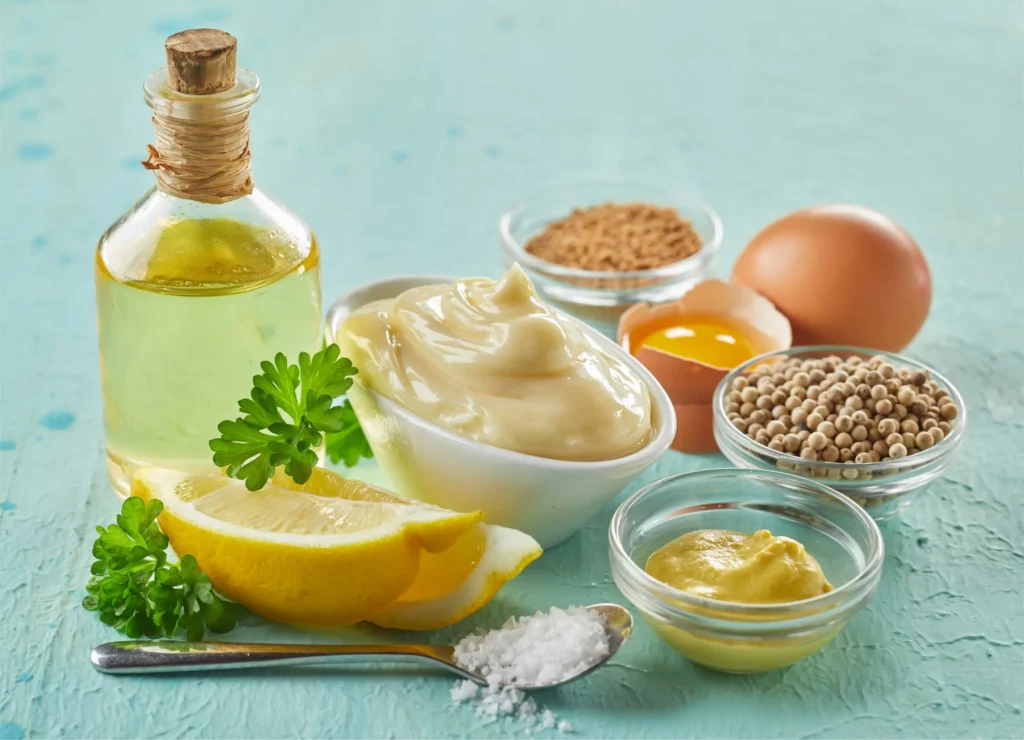
Due to the simplicity of the recipe, every ingredient is essential. Consider the following:
- Eggs: While all eggs should be of good quality, sourcing the freshest is also essential. Emulsification works best with room-temperature eggs. If you are extra cautious about food safety, pasteurized eggs are a good alternative.
- Oil: For traditional flavored mayonnaise, stick with neutral oils such as sunflower, canola, safflower, or grapeseed. If you want a bolder flavor, consider blending in some extra-virgin olive oil, but be cautious not to use it on its own, as it can make the mayonnaise bitter.
- Acid: Vinegar can also be used in recipes, although it is not as common as lemon juice, which adds a bright, fresh, sharp, bold, or tangy flavor.
- Mustard: While classic types of mustard are great to use, the best option is Dijon. It adds subtle and deeper flavors as well as helps “glue” the mayonnaise together.
- Salt: Balance and enhance flavors with a touch of salt.
Best Tools for Making Homemade Mayonnaise
For the traditional method of mayonnaise preparation, a bowl and a whisk are the only utensils needed. This method requires the most work, but is worth the effort as you have complete control over the mayonnaise.
- Immersion Blender: This is the fastest method. You can make it and store it in the same jar.
- Food Processor or Blender: Great for preparing bigger batches. But the oil must be poured in a slow, steady stream. If not, the emulsion will break.
How to Fix a Homemade Mayonnaise Recipe Gone Wrong
On occasion, even the simplest things can go wrong, and mayonnaise can be one of them. There are some common problems and their solutions:
- Too Thin: Usually indicates not enough oil. More oil is to be added slowly until it rapidly thickens.
- Separated (“Broken”) Mayo: Don’t discard it. Simply add a new egg yolk to a clean bowl and gradually whisk in the broken mixture. The new yolk will emulsify it.
- Flat Flavor: If the dip is tasteless, a little salt, lemon juice, or vinegar can be added to revive it.
Storage Tips for Homemade Mayonnaise Recipe
Homemade mayo won’t stay fresh as long as the store-bought version does, so you want to limit the amount of mayo you store. Keep some in a sterile, covered, and airtight container in the fridge and try to use it up within 5 to 7 days. Always scoop the mayo out with a clean spoon, as double-dipping sponges can significantly shorten the shelf life.
Many people find it nearly impossible to resist the simple pleasure of freshly made mayo in the fridge. Homemade mayo is so much better!
Homemade Mayonnaise Recipe Grocery & Kitchen Tools List
Shop online with our list below
Grocery List
- egg
- neutral oil (sunflower, canola, or grapeseed)
- Dijon mustard
- fresh lemon juice (or white wine vinegar)
- salt
Kitchen Tools
- Immersion Blender Handheld Corded Hand Blenders Set
- GANIZA Food Processors
- ComSaf Airtight Glass Jars with Lids
- VITEVER [6 Pack] Salad Dressing Container To Go
This post contains affiliate links, which means we may receive a commission at no cost to you. As an Amazon Associate, I earn from qualifying purchases.
Homemade Mayonnaise Recipe: How to Make It at Home
Why You’ll Love It
Mayonnaise is a type of dressing that can be added to your meals; however, it may be easier to make your own rather than buy it from a shop. The difference in flavor, accompanied by a smoother texture and other advantages, creates a very positive experience. The ease of use is also helpful. It is a positive experience that will give a sense of victory in the kitchen.
With just a few minutes of effort and some everyday ingredients, you can have a condiment that feels special and elevates everything it touches.
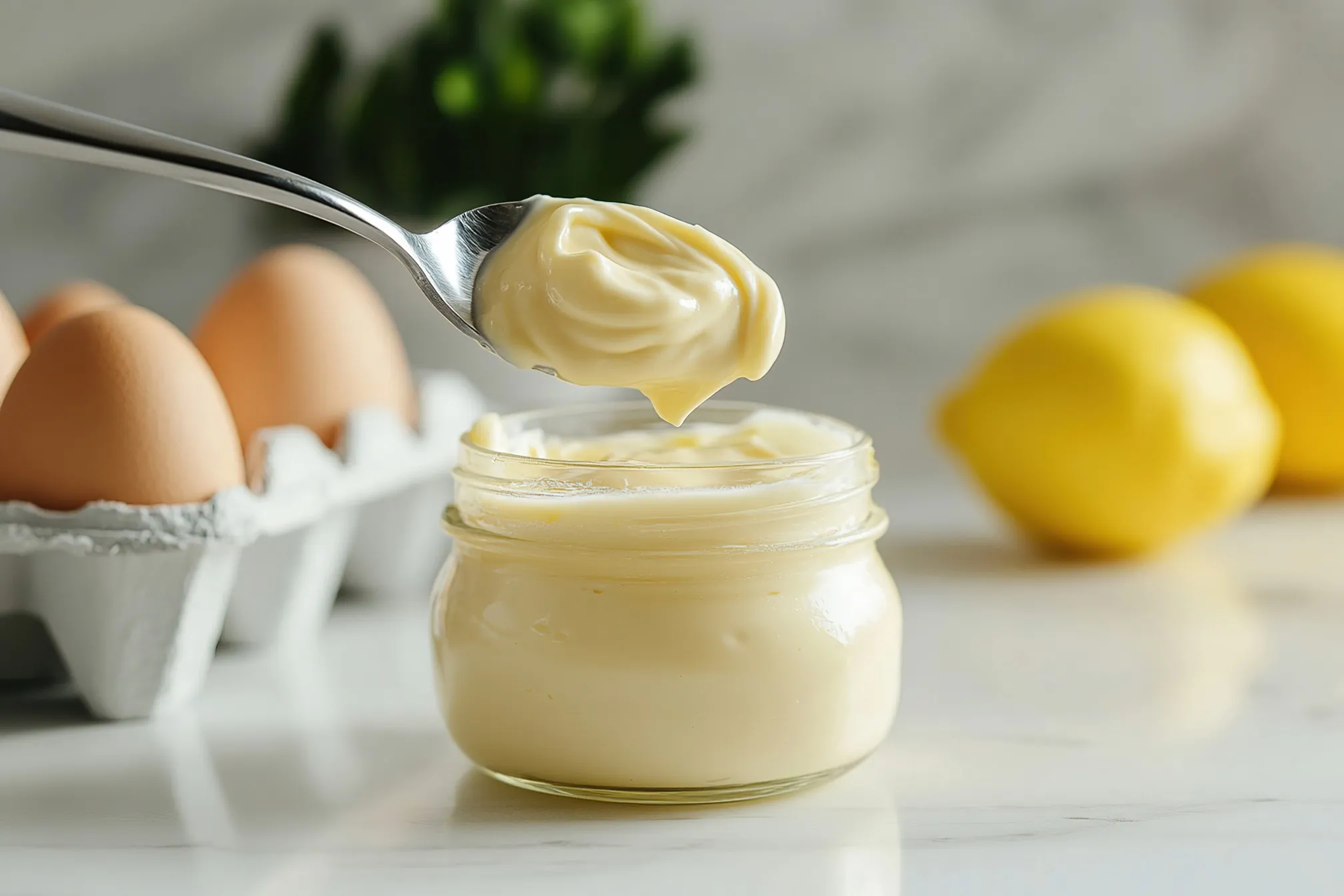
Ingredients: mason jar (8 ounces)
Instructions
-
1. Prepare the base
In a tall jar or bowl, add the egg, Dijon mustard, lemon juice, and salt.
-
2. Add the oil
Slowly pour the oil in. If using an immersion blender, you can add it all at once. If whisking by hand, drizzle it in very gradually.
-
Blend or whisk
- With an immersion blender: Keep it at the bottom of the jar for about 15 seconds before lifting slightly. The mayo will thicken within a very short period of time.
- By hand: Continue whisking while slowly pouring the oil in a thin stream. Stop pouring when the mixture is thin enough to see the bottom of the bowl, and let it thicken completely before adding more oil.
-
Check the texture
Once the mixture is thick and creamy, taste the mayo and, if needed, adjust the seasoning by adding more salt or lemon juice
-
Store
Move the mayo to a clean airtight container and keep it in the fridge. Make sure to eat it within 7 days.